
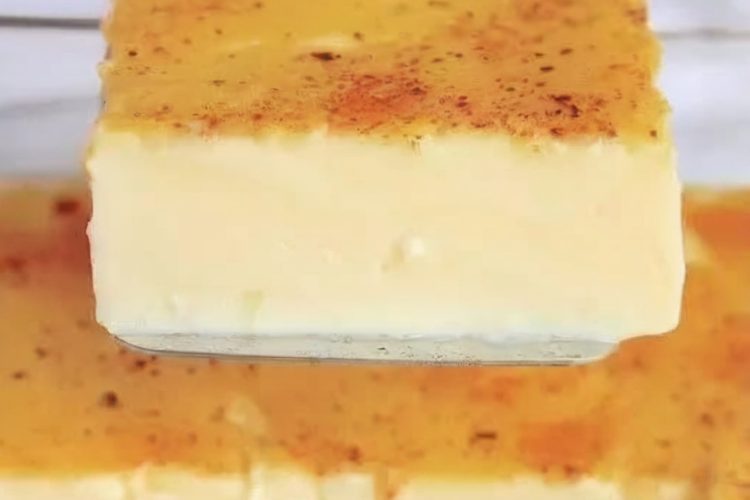
There is something timeless and deeply comforting about a dish of silky, golden egg custard. It is the kind of dessert that reminds you of home, offering a delicate sweetness and a smooth texture that melts away with every spoonful.
Many home cooks feel intimidated by custards, fearing they might end up with scrambled eggs or a watery mess. This fail-proof version takes the guesswork out of the process, using a gentle baking method that ensures a perfect, wobble-free set every single time.
Whether you serve it warm from the oven on a chilly evening or chilled with a side of fresh berries, this custard is a masterclass in simple elegance. It requires only a few ingredients, but the result is a sophisticated dessert that feels like a true indulgence.
Ingredients
4 large eggs (room temperature)
3 cups whole milk (warmed, but not boiling)
2/3 cup granulated sugar
1 teaspoon vanilla extract
1/4 teaspoon salt
1/4 teaspoon ground nutmeg (for dusting the top)
Boiling water (for the water bath)
Instructions
Preheat your oven to 325°F and place six 6-ounce ramekins inside a large, high-sided baking pan.
In a large mixing bowl, whisk the eggs, sugar, vanilla, and salt together until well combined but not frothy.
Slowly pour the warmed milk into the egg mixture in a thin stream, whisking constantly to prevent the eggs from cooking.
Strain the mixture through a fine-mesh sieve into a clean pitcher to remove any air bubbles or stray egg bits.
Carefully pour the custard liquid into the ramekins, filling them nearly to the top.
Sprinkle a pinch of ground nutmeg over the surface of each custard for that classic aromatic finish.
Place the baking pan on the oven rack and carefully pour boiling water into the pan until it reaches halfway up the sides of the ramekins.
Bake for 35 to 45 minutes, or until the edges are set but the centers still have a slight, jelly-like jiggle.
Remove the ramekins from the water bath immediately and let them cool to room temperature before serving or refrigerating.
Why This Recipe Works
The Water Bath (Bain-Marie): This method surrounds the custards with gentle, even heat, preventing the eggs from curdling or cracking.
Low Temperature: Baking at 325°F ensures the proteins in the eggs set slowly, resulting in a creamy rather than rubbery texture.
Straining Step: Passing the mixture through a sieve is the secret to achieving that professional, glass-like smoothness.
Warm Milk Start: Tempering the eggs with warm milk shortens the bake time and ensures the sugar is fully dissolved.
Tips for Best Results
Avoid Bubbles: Whisk your eggs gently; creating too much foam will lead to a porous, bubbly surface on your finished custard.
Don’t Overbake: The custard will continue to firm up as it cools, so pull it out while the center still moves slightly.
Fresh Nutmeg: If possible, grate whole nutmeg fresh over the top; the oils provide a much deeper flavor than pre-ground varieties.
Tempering is Key: Never pour hot milk quickly into eggs, or you will end up with sweet scrambled eggs.
Variations & Substitutions
Honey Custard: Replace the granulated sugar with 1/2 cup of honey for a floral, amber-colored depth of flavor.
Coconut Twist: Substitute one cup of whole milk with full-fat canned coconut milk for a tropical, dairy-rich alternative.
Citrus Infusion: Steep a strip of lemon or orange peel in the milk while warming it to add a bright, refreshing note.
Caramel Bottom: Pour a tablespoon of melted caramel into the bottom of the ramekins before adding the custard for a flan-style finish.
Frequently Asked Questions
Why did my custard turn out watery?
This usually happens if the custard is overbaked, causing the egg proteins to tighten and squeeze out the moisture.
Can I make this in one large dish instead of ramekins?
Yes, you can use a 1.5-quart baking dish, but you will need to increase the bake time to 50–60 minutes.
How do I know exactly when it is done?
Insert a thin knife halfway between the center and the edge; if it comes out clean, the custard is ready.
Should I serve egg custard hot or cold?
This is entirely a matter of preference; it is delicious and creamy when warm, but becomes denser and more refreshing when chilled.
Making a perfect custard is a rewarding skill that brings a touch of old-fashioned comfort to your kitchen. Once you master this simple technique, you will find yourself returning to this recipe for every special occasion.