

Some desserts carry a sense of timelessness that instantly transports you back to a quieter era. Old Fashioned Tapioca Pudding is that kind of treat—the kind that bubbled on the back of a stovetop while a Sunday dinner wound down.
This is the classic stovetop version, made with large pearls that look like tiny, translucent jewels. It matters because, while quick-cooking versions exist, they simply cannot match the satisfying, chewy texture of a traditional large pearl soak. It is a slow-food victory that rewards your patience with a velvety, vanilla-scented custard that is pure nostalgia in a bowl.
It isn’t a dessert for people in a rush. It is a recipe for those who appreciate the process of a long soak and a gentle simmer. That care is exactly why it remains a beloved family favorite after all these years.
Ingredients
-
1/2 cup large pearl tapioca (not the instant kind)
-
2 1/2 cups whole milk
-
1/2 cup heavy cream
-
1/2 cup granulated sugar
-
2 large eggs
-
1/4 tsp salt
-
1 tsp vanilla extract
-
Optional: a pinch of ground nutmeg or cinnamon for the top
Instructions
1) The Initial Soak Place the large pearl tapioca in a bowl and cover with water. Let it soak for at least 8 hours or overnight. This step is crucial for ensuring the centers of the pearls soften completely.
2) Drain and Combine Drain the soaking water. In a heavy-bottomed saucepan, combine the soaked tapioca, whole milk, heavy cream, and salt.
3) The Gentle Simmer Bring the mixture to a very low simmer over medium-low heat. Cook, stirring frequently, for about 20 to 30 minutes until the pearls become clear and tender.
4) Temper the Eggs In a separate small bowl, whisk the eggs and sugar together. Slowly stir in about half a cup of the hot milk mixture into the eggs to “temper” them, then pour the egg mixture back into the saucepan.
5) Thickening Continue to cook over low heat for another 3 to 5 minutes, stirring constantly, until the pudding thickens enough to coat the back of a spoon. Do not let it boil at this stage.
6) Final Touch Remove from the heat and stir in the vanilla extract.
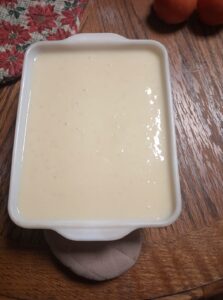
7) Cool and Set Pour the pudding into a bowl or individual ramekins. You can serve it warm, or press a piece of plastic wrap directly onto the surface and refrigerate until chilled.
Why This Recipe Works
-
The overnight soak ensures the large pearls have a consistent, chewy texture without a hard center.
-
Using a combination of whole milk and heavy cream creates a rich, restaurant-quality custard.
-
Tempering the eggs prevents them from curdling, keeping the pudding silky and smooth.
-
Cooking on a low simmer allows the pearls to release their starch slowly, thickening the pudding naturally.
Tips for Best Results
-
Always use a heavy-bottomed pot to prevent the milk from scorching on the bottom.
-
Be patient with the simmer; rushing the heat can cause the milk to curdle or the pearls to stay tough.
-
Stir frequently, especially toward the end of cooking, to keep the pearls from sticking to the pan.
-
If the pudding seems too thick after chilling, stir in a tablespoon or two of milk before serving to loosen it up.
Variations & Substitutions
-
Add a cinnamon stick to the milk while it simmers for a warm, spiced undertone.
-
Use coconut milk instead of whole milk for a tropical, dairy-free twist (the texture will be slightly different).
-
Stir in half a cup of raisins during the last 5 minutes of simmering for extra sweetness.
-
Top with a dollop of whipped cream and fresh berries for a modern presentation.
Frequently Asked Questions
Why are my tapioca pearls still hard? This usually means they weren’t soaked long enough or the simmer was too short. Large pearls need significant time to hydrate all the way through.
Can I make this with small pearl tapioca? Yes, but you will need to reduce the soaking and simmering time. Small pearls usually only need a 30-minute soak.
How long does it stay fresh? Store it in the refrigerator in an airtight container for up to four days. It actually tastes even better on the second day!
Can I freeze tapioca pudding? Freezing is not recommended, as the custard can separate and the pearls may become mushy or gritty when thawed.
There is a simple, rhythmic joy in stirring a pot of pudding on the stove. I hope this classic recipe brings a bit of old-fashioned comfort to your kitchen this week.