
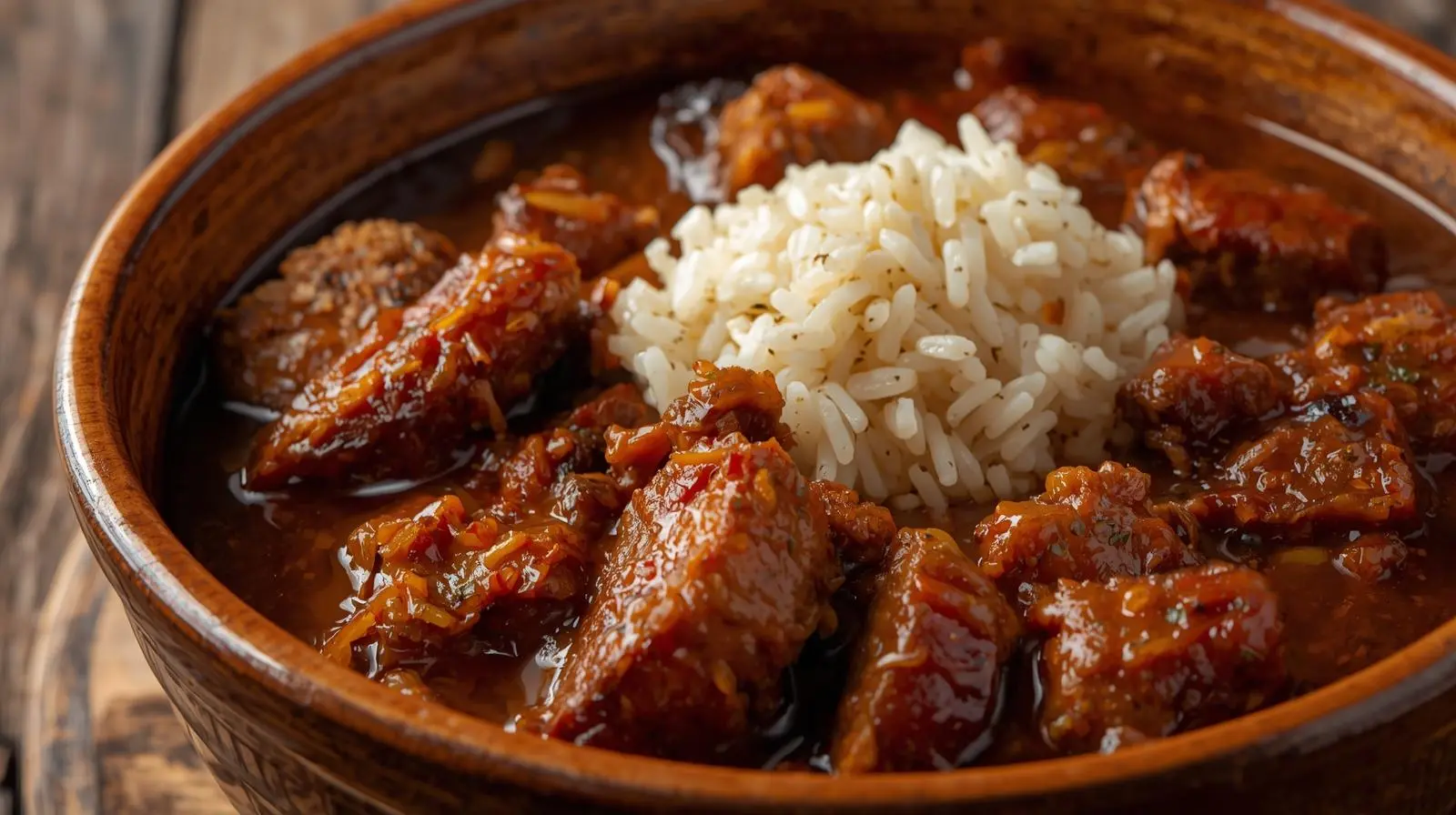
Imagine a dish that mixes Louisiana’s rich flavors with a crunchy crust. Crispy gumbo takes the classic comfort food to a new level.
You’re about to start a journey to make an authentic gumbo recipe. This guide will show you how to get a crispy, golden crust. You’ll also learn how to add the savory taste of sausage.
Key Takeaways
- Learn the secrets to making an authentic gumbo recipe with a crispy twist.
- Discover the importance of using high-quality sausage in your gumbo.
- Understand the step-by-step process to achieve a perfectly cooked crust.
- Get tips on customizing your gumbo to suit your taste preferences.
- Explore the rich culinary heritage behind Louisiana’s beloved dish.
The Rich Heritage of Louisiana Gumbo
Gumbo is a key part of Louisiana’s food scene, with roots going back centuries. It shows how different cultures in the state have mixed their traditions and tastes. This makes gumbo a unique dish that reflects Louisiana’s cultural diversity.
Origins of Cajun and Creole Cuisine
The story of gumbo starts with both Cajun and Creole cooking. Cajun cuisine comes from the Acadians who settled in rural Louisiana. They used local ingredients and kept things simple. Creole cuisine, meanwhile, was shaped in New Orleans. It combines French, Spanish, African, and other influences.
The Cultural Significance of Gumbo
Gumbo is more than food; it’s a cultural event that unites people. As
“Gumbo is a symbol of Louisiana’s cultural heritage, representing the unity and diversity of its people.”
It’s a big part of community events and celebrations.
Traditional Ingredients Through History
Gumbo’s ingredients have always been varied, showing its cultural roots. The “holy trinity” of onions, celery, and bell peppers gives it flavor. Sausage and chicken are also common, adding to the dish’s richness.
| Ingredient | Cultural Influence |
|---|---|
| Andouille Sausage | Cajun/Creole |
| Onions, Celery, Bell Peppers | French/African |
| Okra | African |
Essential Ingredients for Gumbo Sausage
The heart of a delicious Cajun gumbo is its key ingredients. To make a rich and tasty dish, start with the basics.
Choosing the Perfect Andouille or Smoked Sausage
The right sausage is key for a true Cajun gumbo taste. Andouille sausage is a classic choice, known for its smoky flavor. Look for a sausage with pork, garlic, and spices. Smoked sausage also works well, adding a deep smoky taste.
The Holy Trinity: Onions, Celery, and Bell Peppers
The “holy trinity” of Cajun cooking is onions, celery, and bell peppers. These three ingredients, sautéed, create a flavorful base. Chop them finely so they cook well and blend into the gumbo.
Selecting Stocks and Seasonings
The stock is vital, adding moisture and depth. Choose between chicken or seafood stock. For seasonings, use Cajun spices like paprika, thyme, and oregano. Adjust the seasoning to your liking.
Additional Proteins and Vegetables
While sausage is the main protein, adding chicken, shrimp, or crab can enhance flavor and texture. Vegetables like okra or mushrooms can also be added. The goal is to keep the gumbo hearty but simple.
Equipment and Preparation Essentials
Making crispy gumbo with sausage needs more than just the right ingredients. You also need the right cooking tools and methods. To get the perfect mix of flavors and textures, start with the basics.
The Ideal Pot for Gumbo
A large, heavy pot is key for gumbo. You can use a Dutch oven or a heavy-bottomed pot. Both keep heat well and handle long simmering for a rich gumbo.
Essential Utensils and Tools
You’ll need a few basic utensils besides the pot. A long-handled spoon for stirring, a cutting board for chopping, and a sharp knife for prep. A whisk is also useful for the roux.
Ingredient Preparation Techniques
Chopping ingredients right is important. Chop the holy trinity (onions, celery, and bell peppers) finely. Slice the sausage thinly. Brown the sausage first to boost flavor before adding other ingredients.
| Tool | Use in Gumbo Preparation |
|---|---|
| Dutch Oven or Heavy-Bottomed Pot | Cooking and simmering gumbo |
| Long-Handled Spoon | Stirring the gumbo |
| Cutting Board and Sharp Knife | Chopping ingredients |
| Whisk | Making the roux |
When making spicy gumbo, remember the details matter. The quality of your ingredients and prep work are crucial for a great southern comfort food dish.
Mastering the Perfect Roux
Making the perfect roux is an art that makes your creole sausage gumbo unforgettable. The roux is a mix of flour and fat that thickens and flavors your gumbo. Getting the right consistency and flavor is key for a rich dish.
Understanding Roux Colors and Flavors
The roux’s color affects its flavor. A white roux thickens and tastes mild. A blond roux has a nutty taste. As it cooks, it darkens to chocolate brown, deepening its flavor.
For a spicy gumbo, a darker roux is best. It adds depth and complexity.
| Roux Color | Flavor Profile | Usage |
|---|---|---|
| White | Mild, slightly raw flour taste | Thickening sauces, mild gumbo |
| Blond | Slightly nutty, starting to develop flavor | Gumbo, soups |
| Brown | Rich, nutty, deep flavor | Dark gumbo, rich soups, gravies |
Step-by-Step Roux Making Process
To make a roux, heat your fat (oil or butter) in a pan over medium heat. Slowly add flour, whisking to avoid lumps. Keep cooking and stirring until it reaches your desired color.
Achieving the Signature “Crispy” Texture
The “crispy” texture in gumbo comes from a dark brown roux mixed with liquid ingredients. To get this, make sure your roux is dark and simmer the gumbo long enough. This way, the flavors blend well and the liquid thickens.
Common Roux Mistakes to Avoid
Burning the roux makes your gumbo bitter. Not cooking it enough leaves a raw flour taste. To avoid these, stir constantly and adjust the heat as needed.
Mastering the roux will help you make a creole sausage gumbo that’s both authentic and delicious.
Step-by-Step Gumbo Sausage Cooking Method
Making gumbo sausage is easy and fun. You’ll brown the sausage, cook veggies, mix in roux and liquid, and simmer until it’s just right.
Browning the Sausage for Maximum Flavor
Browning the sausage is key for great flavor. Heat a big pot over medium-high and add sliced Andouille or smoked sausage. Cook until it’s browned on all sides, then set it aside.
Building the Flavor Base with Vegetables
Now, it’s time for the holy trinity of Cajun cooking: onions, celery, and bell peppers. Chop them finely and sauté in the same pot. Cook until they’re soft and smell great, about 5 minutes.
Incorporating the Roux and Liquid
After cooking the veggies, add the roux and liquid. Mix in the roux slowly, stirring well to prevent lumps. Then, add chicken or seafood stock and bring to a boil.
Simmering Techniques and Timing
With the roux and liquid in, add the browned sausage back in. Lower the heat to low and simmer for at least 20 minutes. This lets the flavors mix well. Adjust the simmer time for your liking.
Final Seasoning Adjustments
Before serving, taste the gumbo and adjust the seasoning. You might need more salt, pepper, or hot sauce. Serve hot, topped with scallions and crusty bread.
Regional Variations and Personal Touches
Gumbo is special because of its many flavors and personal touches. Louisiana is known for its diverse food, and gumbo shows this best. Whether you’re from New Orleans or Cajun Country, your gumbo can show your taste and traditions.
New Orleans vs. Cajun Country Styles
New Orleans gumbo is darker and more refined. It often has Andouille sausage and chicken. On the other hand, Cajun Country gumbo is heartier and rustic. It uses local ingredients and a darker roux.
Seafood Additions and Alternatives
You can add shrimp, crab, or oysters to your gumbo. Or, use chicken or turkey for a non-seafood version. The goal is to mix flavors and textures well.
| Seafood Options | Non-Seafood Alternatives |
|---|---|
| Shrimp | Chicken |
| Crab | Turkey |
| Oysters | Smoked Tofu |
Adjusting Spice Levels and Thickness
To change the spice, add more hot sauce or red pepper flakes. For thickness, simmer longer or add more roux. Keep trying until it’s just right.
Make-Ahead and Storage Tips
Gumbo is perfect for making ahead. The flavors get better over time. Store it in the fridge for up to 3 days or freeze for later. Reheat it gently to keep the texture and flavors.
By exploring these variations and personal touches, you can make a gumbo that’s truly yours. It will be a delicious way to show off Louisiana’s rich culinary heritage.
Conclusion: Serving and Enjoying Your Homemade Gumbo
Serving homemade gumbo is a special moment. It captures the essence of southern comfort food. This traditional Creole dish is more than a meal; it’s an experience that brings people together.
When you serve your gumbo, pair it with crusty French bread or over rice. This makes for a hearty meal. You can also try spicy gumbo variations or different creole sausage gumbo recipes for extra flavor.
Gumbo is best shared with family and friends. It’s a dish that celebrates sharing. Enjoying a warm, flavorful bowl of gumbo shows the love and hospitality of Louisiana’s culinary heritage.
Now that you know how to make this beloved dish, you can start a new tradition at home. So, grab a spoon and enjoy the rich flavors of your homemade gumbo. It’s a true taste of the South.
FAQ
What is the best type of sausage to use in gumbo?
Andouille sausage is a top pick for gumbo. It has a smoky taste and coarse texture. These qualities complement the dish’s rich and spicy flavors well.
Can I use other proteins like chicken or seafood in my gumbo?
Yes, you can add chicken, shrimp, or crab to your gumbo. This makes it a flexible dish that suits your taste.
What is the “holy trinity” in Cajun and Creole cooking?
The “holy trinity” is onions, celery, and bell peppers. These are key ingredients in Cajun and Creole dishes, including gumbo.
How do I achieve the signature “crispy” texture in my gumbo roux?
For a crispy roux, cook it until it’s dark brown. Then, let it cool and thicken before adding it to your gumbo.
Can I make gumbo ahead of time and store it?
Yes, you can make gumbo ahead and store it in the fridge or freezer. It’s great for meal planning and prep.
How do I adjust the spice level in my gumbo?
To change the spice level, add more or less hot sauce or cayenne pepper. This will adjust the heat to your liking.
What are some common mistakes to avoid when making gumbo?
Avoid not cooking the roux enough, not browning the sausage well, and not simmering the gumbo long enough. These steps are crucial for flavor.
Can I serve gumbo with any accompaniments?
Gumbo is often served over rice. You can also try it with crusty bread or crackers for a rustic touch.
How long does gumbo typically simmer?
Gumbo simmers for at least 30 minutes to an hour. This time allows the flavors to blend and the ingredients to tenderize.
What is the difference between Cajun and Creole gumbo?
Cajun gumbo is darker and more rustic. Creole gumbo is lighter and more refined. This reflects the cultural differences in the dishes.