Coconut Cream Cake
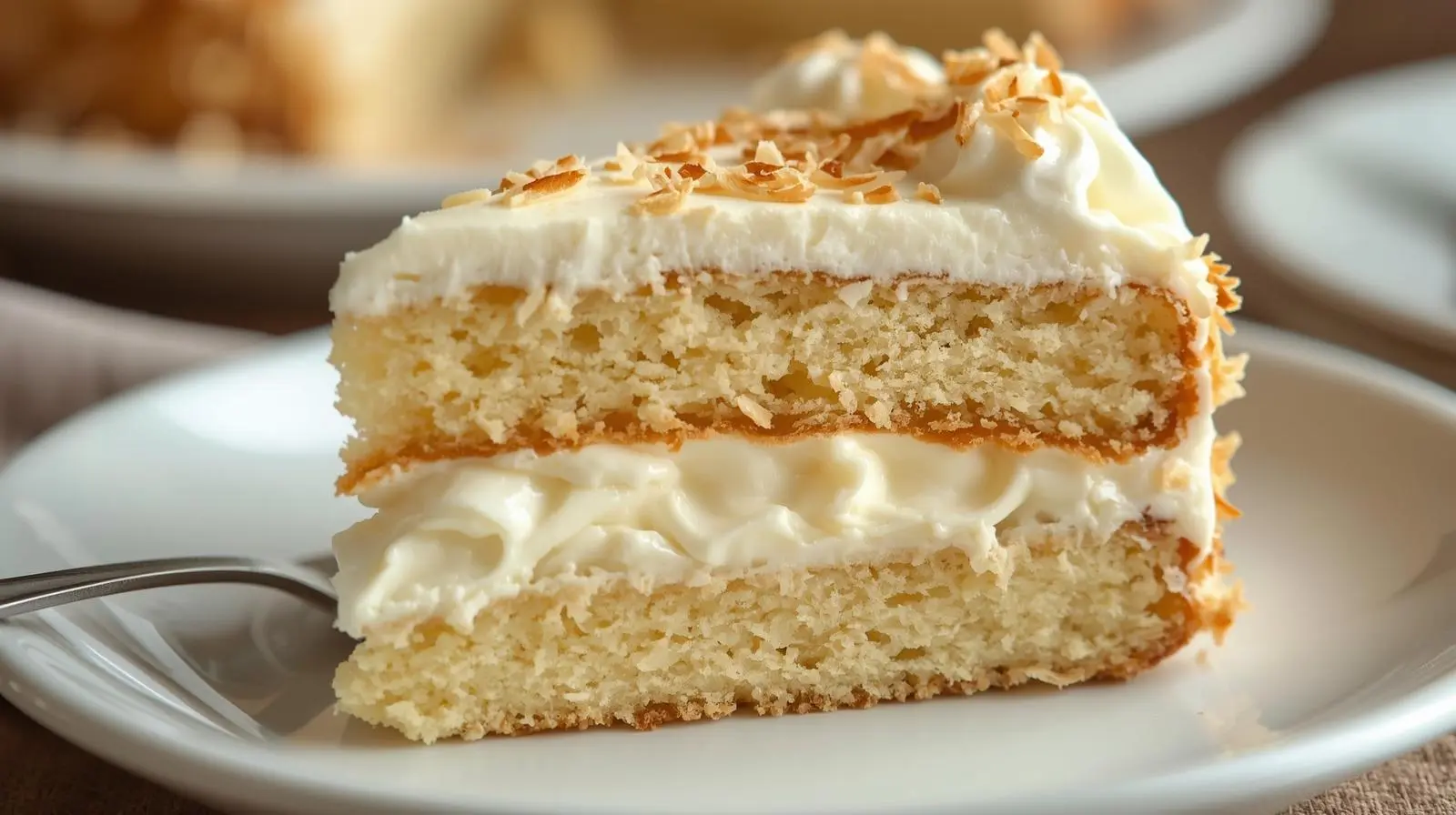
Explore the world of Coconut Cream Cake, a treat that feels like a tropical getaway. It’s not just a delight for your taste buds but also a visual feast. Its soft and fluffy texture is a joy to behold.
When you take a bite, the sweet coconut cream melts in your mouth. It leaves you wanting more. In this article, we’ll show you how to make this dessert. We’ll share tips and tricks to ensure it turns out perfectly.
Key Takeaways
- Learn the basic ingredients and equipment needed for Coconut Cream Cake
- Understand the importance of using high-quality coconut cream
- Discover tips for achieving the perfect soft and fluffy texture
- Explore variations of the recipe to suit your taste preferences
- Get insights into decorating and presenting your Coconut Cream Cake
The Allure of Coconut Cream Cake
Coconut cream cake is a treat for the senses. It has a rich, creamy texture and exotic flavor. Many people love it for its tropical flavors and comforting texture.
The Tropical Origins of Coconut in Baking
Coconut has been a key ingredient in tropical cuisines for centuries. It’s used in both sweet and savory dishes. Bakers and chefs love it for its unique flavor and versatility.
Cultural Significance in Tropical Cuisines
In tropical cultures, coconut symbolizes hospitality and generosity. It’s often used in traditional desserts at special occasions.
Evolution of Coconut Desserts in America
Coconut desserts, like coconut cream cake, have become popular in America. The fruity and exotic flavors of coconut are now found in many American desserts.
What Makes a Perfect Coconut Cream Cake
A perfect coconut cream cake is moist, rich in coconut flavor, and creamy. These elements make it both decadent and refreshing.
Texture and Flavor Profile
The cake should be soft and moist. Its flavor should be sweet and exotic. The coconut flavor should stand out but be balanced by the cream.
Special Occasions for Serving
Coconut cream cake is great for any occasion. It’s perfect for both casual gatherings and formal events. Its unique flavor and presentation make it ideal for special celebrations.
Essential Ingredients for a Tropical, Soft, Sweet Coconut Cake
Making a soft, sweet coconut cake needs the right ingredients. The right mix ensures your cake tastes great, looks good, and feels just right.
Coconut Components: Milk, Cream, and Flakes
Coconut is the main ingredient in a coconut cake. It comes in different forms, each adding something special. You’ll need coconut milk, cream, and flakes for that tropical taste and texture.
Fresh vs. Canned Coconut Products
Fresh coconut is great, but canned products are easier and more consistent. Canned coconut milk and cream are key for moisture and flavor. As one expert says, “Canned coconut milk is a game-changer for bakers; it’s consistent, reliable, and packed with flavor.”
“Using canned coconut milk allows for a more controlled and predictable outcome in baking.”
Sweetened vs. Unsweetened Options
Coconut products can be sweetened or unsweetened. Unsweetened coconut is better for baking because you can control the sugar. Sweetened coconut flakes add sweetness and texture to the cake and frosting.
Dry and Wet Ingredients
Ingredients like flour, sugar, eggs, and fats are also crucial. The quality of these ingredients greatly affects the cake’s texture and taste.
Flour Selection and Measurement
Choosing the right flour is important. Cake flour is best for a tender crumb. Measuring accurately is also key to avoid a dense cake.
Sugar Types and Their Effects
Granulated sugar is common, but brown sugar can add depth. The type and amount of sugar change the cake’s sweetness and texture.
Optional Flavor Enhancers
Adding flavor enhancers like vanilla and almond extract or tropical fruits can make your coconut cake even better.
Vanilla and Almond Extract
Vanilla extract can enhance the flavor, while almond extract adds a nutty taste that goes well with coconut.
Tropical Fruit Additions
Adding tropical fruits like pineapple or mango adds moisture and unique flavors. It makes your cake extra special.
By choosing and mixing these ingredients carefully, you’ll make a truly amazing tropical coconut cake that will wow everyone.
Equipment and Tools You’ll Need
For a delicious coconut cream cake, the right tools are key. You’ll need the right pans, mixing tools, and measuring instruments. These will make baking easier and more efficient.
Baking Pans and Sizes
Choosing the right baking pan is crucial. The size and type of pan can change your cake’s texture and look.
Round vs. Sheet Cake Options
Do you want a round cake or a sheet cake? Round cakes are great for layering, while sheet cakes are perfect for big gatherings. Think about the occasion and how many people you’re serving.
Preparing Pans for Perfect Release
To make your cake easy to remove, grease the pan with butter and dust it with flour. You can also use parchment paper for extra security.
Mixing and Measuring Tools
Getting the mix right is key for a great coconut cream cake. You’ll need both basic and specialized tools for the job.
Stand Mixer vs. Hand Mixer Techniques
A stand mixer is best for tough mixing jobs. A hand mixer is better for lighter tasks. Pick the right one for your recipe.
Importance of Accurate Measurements
Measuring ingredients accurately is crucial. It helps get the right flavors and textures in your cake. Use digital scales or measuring cups for precision.
Special Equipment Considerations
Some recipes might need special tools like a coconut grater or a pastry bag. Check what your coconut cream cake recipe requires.
Preparing Your Coconut Cake Batter
Making the perfect coconut cake batter is a series of steps. First, you measure and mix the dry ingredients. Then, you cream the butter and sugar. Finally, you add the coconut flavors.
Measuring and Mixing Dry Ingredients
Getting the dry ingredients right is key for your cake’s texture and structure. You’ll need flour, baking powder, and salt.
Sifting for Lighter Texture
Sifting your dry ingredients makes your cake lighter and fluffier. It removes lumps and adds air. This step is crucial for a light and fluffy coconut cake.
- Sift flour, baking powder, and salt together in a large bowl.
- This process ensures even distribution of leavening agents.
Incorporating Leavening Agents
Leavening agents like baking powder are essential for the cake’s rise. Make sure to measure them accurately to avoid an overly dense or flat cake.
- Use fresh baking powder for the best results.
- Measure it precisely according to your recipe.
Creaming Butter and Sugar Properly
Creaming butter and sugar is a critical step. It affects the cake’s texture and flavor. Beat the butter and sugar together until they are light and fluffy.
Temperature Considerations
The butter’s temperature is important for creaming. Softened butter creams better than cold butter.
- Take the butter out of the refrigerator about an hour before you start.
- Avoid using melted butter as it can alter the cake’s texture.
Visual Cues for Perfect Creaming
The mixture should become pale and increase in volume. This means you’ve added enough air.
- Stop occasionally to scrape down the sides of the bowl.
- Continue until the mixture is light and fluffy.
Incorporating Coconut Flavors
To add coconut flavors, use coconut milk, cream, or flakes in your batter. This boosts the coconut taste and aroma.
Layering Flavors for Depth
Combining coconut milk and shredded coconut adds depth to your cake’s flavor.
- Add coconut milk to the batter for moisture.
- Fold in shredded coconut for added texture and flavor.
Preventing Curdling When Adding Liquids
To avoid curdling, add wet and dry ingredients alternately. Start and end with dry ingredients.
- This technique helps maintain the batter’s stability.
- It ensures a smooth, even texture in the final cake.
By following these steps, you’ll create a coconut cake batter. It will yield a soft, sweet, and deliciously tropical cake.
Baking the Perfect Coconut Cake Layers
Baking the perfect coconut cake layers is an art that needs precision and patience. You must understand oven temperature, baking time, and how to check if they’re done.
Oven Temperature and Positioning
Getting your oven to the right temperature is key. Most coconut cakes bake at 350°F (175°C). This ensures the cake layers bake evenly.
Preheating Importance
Preheating is vital because it lets the cake start baking right away. This is important for a good rise and texture. Always preheat your oven for at least 15-20 minutes before baking.
Rack Placement for Even Baking
Putting the oven rack in the center helps with even heat. This prevents overcooking on the edges or bottom. If baking multiple layers, rotate the pans halfway through.
Timing and Doneness Tests
The baking time for coconut cake layers varies by size and thickness. It usually takes 20-30 minutes for standard layers. There are several ways to check if they’re done.
Toothpick Test Technique
Use a toothpick to check the cake’s center. If it comes out clean or with a few moist crumbs, it’s done. Avoid overbaking, as it can make the cake dry.
Visual and Touch Indicators
The cake should be lightly golden on top and firm to the touch. It should also spring back when pressed gently. Keep an eye on the cake towards the end of the baking time, as oven variations can affect the result.
Cooling Techniques for Soft Texture
Cooling the cake layers properly is key for a soft texture. Start by cooling them in the pan for a few minutes.
Initial Cooling in Pan
Let the cake layers cool in the pan for 5-10 minutes. This helps them set and makes removal easier. Don’t let them cool completely, as this can cause them to stick.
Wire Rack Methods
Move the cake layers to a wire rack to cool completely. This prevents sogginess. Ensure the wire rack is clean and dry to prevent any moisture from affecting the cake.
By following these steps, you can get perfectly baked coconut cake layers. They will be soft, fluffy, and full of tropical flavors.
Creating a Luscious Coconut Cream Frosting
Your coconut cream cake needs a frosting that’s as exotic and delicious as the cake. The right frosting can make your dessert even better. It’s perfect for special occasions or just to satisfy your sweet tooth.
Traditional Coconut Cream Frosting Recipe
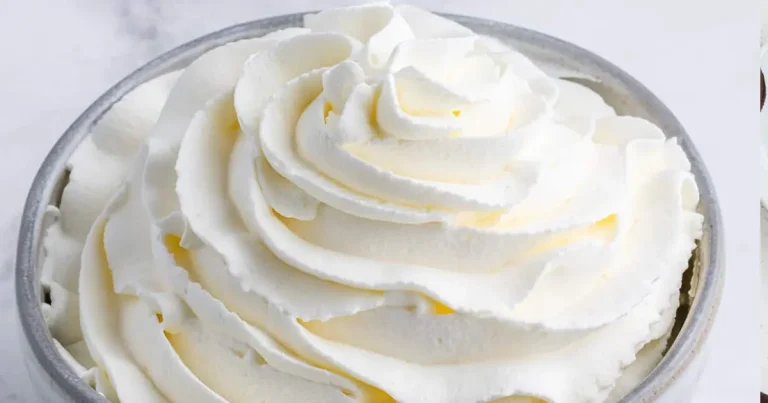
A traditional coconut cream frosting is a classic choice for coconut cakes. It’s rich, creamy, and full of coconut flavor.
Base Ingredients and Proportions
To make a traditional coconut cream frosting, you’ll need:
- 1 cup heavy cream
- 1/2 cup unsalted butter, softened
- 1 3/4 cups powdered sugar
- 1/2 cup coconut cream
- 1 teaspoon vanilla extract
The key is to balance the ingredients for the perfect consistency and flavor.
Step-by-Step Mixing Process
To mix the frosting, follow these steps:
- Cream the butter until it’s light and fluffy.
- Gradually add the powdered sugar, beating until smooth.
- Add the coconut cream and vanilla extract, mixing until well combined.
- Whip the heavy cream until stiff peaks form, then fold it into the coconut mixture.
Whipped Cream Cheese Variation
For a lighter and tangier frosting, try a whipped cream cheese variation.
Stabilizing Techniques
To stabilize the whipped cream cheese frosting, add a tablespoon of cornstarch or gelatin to the mixture.
Flavor Balance Tips
Balance the tanginess of the cream cheese by adjusting the powdered sugar to your taste.
Achieving the Perfect Consistency
The consistency of your frosting is crucial for decorating and serving.
Troubleshooting Runny Frosting
If your frosting is too runny, try refrigerating it for 10-15 minutes to firm it up.
Adjusting for Weather Conditions
In hot weather, consider using a stabilizer like gelatin to prevent the frosting from melting.
| Frosting Type | Key Ingredients | Best For |
|---|---|---|
| Traditional Coconut Cream | Coconut cream, heavy cream, powdered sugar | Classic coconut cakes |
| Whipped Cream Cheese | Cream cheese, heavy cream, powdered sugar | Light and tangy desserts |
Assembling and Decorating Your Cake
Now that you’ve baked your coconut cake layers, it’s time to put them together. You’ll need to follow a few steps to make your cake look as good as it tastes.
Layering Techniques for Even Distribution
To start, you’ll need to apply a few layering techniques. First, create a crumb coat. This is a thin layer of frosting that keeps the cake moist and prevents crumbs from getting stuck in the final layer.
Creating a Crumb Coat
To make a crumb coat, take a small amount of frosting and spread it over the cake. Make sure it’s thin, so you can still see the cake through it.
Filling Between Layers
When filling between layers, use a mix of frosting and coconut cream. This adds flavor and keeps the cake moist.
Decorative Coconut Toppings
Decorative coconut toppings can make your cake look amazing. One way is to toast coconut flakes to get a golden brown color.
Toasting Coconut Flakes
To toast coconut flakes, spread them on a baking sheet. Then, bake them in a low-temperature oven until they’re lightly browned.
Creating Patterns and Designs
You can make patterns and designs on your cake with toasted coconut flakes, piped frosting, or fresh fruit. Just have fun and be creative.
Professional Finishing Touches
To make your cake look professional, use piping techniques. This involves using a piping bag and tip to create borders and designs.
Piping Techniques
Piping techniques let you create intricate designs on your cake. You can make borders, flowers, or other decorative elements.
Garnish Ideas
Finally, add garnishes like fresh fruit, nuts, or edible flowers. This adds color and flavor to your cake.
By following these steps, you’ll have a beautifully decorated coconut cream cake. It’s perfect for any occasion. Whether it’s for a party or just with family, your tropical treats will be a hit.
Troubleshooting Common Coconut Cake Issues
Making a coconut cream cake can sometimes lead to problems. Knowing how to fix these issues is key to getting a soft and sweet cake. This cake will feel like a trip to a tropical paradise with every bite.
Preventing Dry or Dense Cake
A dry or dense cake is a letdown. To avoid this, keep the right moisture balance and don’t overmix.
Moisture Balance Solutions
It’s important to balance wet and dry ingredients. Using coconut milk and buttermilk helps keep it moist. Always measure ingredients carefully to keep this balance.
Overmixing Prevention
Overmixing can make your cake dense. Mix wet and dry ingredients separately and gently fold them together. Stop mixing once they’re just combined.
Fixing Frosting Problems
Frosting issues, like wrong consistency or melting, can be fixed with a few tweaks.
Temperature Adjustments
If your frosting is too soft, chill it for a few minutes. If it’s too stiff, let it warm up a bit. This will get it just right.
Texture Corrections
For smooth frosting, make sure cream cheese and butter are room temperature before whipping. This makes the frosting creamy and stable.
Storage and Make-Ahead Options
| Storage Method | Duration | Notes |
|---|---|---|
| Refrigeration | Up to 3 days | Keep the cake covered to prevent drying out. |
| Freezing | Up to 2 months | Wrap the cake tightly in plastic wrap and then in foil. |
Refrigeration Guidelines
When refrigerating your cake, cover it with plastic wrap or foil. This keeps it fresh.
Freezing Instructions
To freeze, wrap your cake layers or the assembled cake tightly in plastic wrap, followed by foil. Thaw overnight in the fridge before serving.
By following these tips, you can make a soft and sweet coconut cream cake. It’s perfect for any event, turning your dessert into a true tropical paradise.
PrintCoconut Cream Cake
The Coconut Cream Cake is a tropical-inspired dessert that’s both soft and sweet, bringing the taste of paradise to your kitchen. Its moist, fluffy layers are infused with creamy coconut milk and topped with luscious coconut frosting. Every bite delivers a rich, exotic flavor balanced with light sweetness — perfect for celebrations or a cozy treat at home.
- Prep Time: 25 minutes
- Cook Time: 30 minutes
- Total Time: 55 minutes
- Yield: 10–12 servings
- Method: Baking
- Cuisine: American / Tropical Fusion
- Diet: Vegetarian
Ingredients
For the Cake:
-
2 ½ cups cake flour (sifted)
-
2 ½ tsp baking powder
-
½ tsp salt
-
¾ cup unsalted butter, softened
-
1 ¾ cups granulated sugar
-
4 large eggs, room temperature
-
1 cup canned coconut milk
-
½ cup coconut cream
-
1 tsp vanilla extract
-
½ tsp almond extract (optional)
-
1 cup shredded sweetened coconut
For the Coconut Cream Frosting:
-
1 cup heavy cream
-
½ cup unsalted butter, softened
-
1 ¾ cups powdered sugar
-
½ cup coconut cream
-
1 tsp vanilla extract
-
(Optional Variation: 8 oz cream cheese for a tangier whipped version)
For Decoration:
- ½–1 cup toasted coconut flakes
-
Fresh tropical fruits (pineapple, mango, or kiwi) – optional
Instructions
-
Preheat the Oven
-
Set oven to 350°F (175°C) and grease your cake pans.
-
Line bottoms with parchment paper for easy removal.
-
-
Mix the Dry Ingredients
-
In a bowl, sift together cake flour, baking powder, and salt.
-
This adds air and ensures an even, fluffy texture.
-
-
Cream the Butter and Sugar
-
In a large bowl, beat butter and sugar until light and fluffy (about 3–5 minutes).
-
Scrape down sides occasionally.
-
-
Add Eggs and Flavoring
-
Add eggs one at a time, beating well after each.
-
Stir in vanilla and almond extract.
-
-
Combine Wet and Dry Ingredients
-
Alternate adding the dry mixture and coconut milk + cream to the butter mixture.
-
Start and end with dry ingredients.
-
Fold in shredded coconut flakes.
-
-
Bake the Cake Layers
-
Divide batter evenly between pans.
-
Bake for 25–30 minutes or until a toothpick inserted comes out clean.
-
Cool in pans 10 minutes, then transfer to a wire rack.
-
-
Prepare the Frosting
-
Beat butter until creamy.
-
Gradually add powdered sugar until smooth.
-
Mix in coconut cream and vanilla extract.
-
Whip heavy cream to stiff peaks and gently fold into the coconut mixture.
-
-
Assemble the Cake
-
Place the first cake layer on a plate and spread frosting evenly.
-
Add the second layer and cover the entire cake with a thin crumb coat.
-
Chill for 15 minutes, then frost completely.
-
- Decorate
Sprinkle toasted coconut flakes over the top and sides.
Add tropical fruit slices or piped frosting for a professional finish.
Notes
-
Soft Texture Tip: Don’t overmix once dry ingredients are added.
-
Prevent Dryness: Use canned coconut milk — it adds consistent moisture.
-
Frosting Stability: Chill frosting 10–15 mins if too soft, especially in warm weather.
-
Storage: Refrigerate up to 3 days or freeze (well-wrapped) for up to 2 months.
-
Optional Add-Ins: Pineapple chunks or mango purée can be folded into the batter for extra tropical flavor.
Conclusion: Enjoying Your Homemade Tropical Delight
Now that you’ve baked and decorated your coconut cream cake, it’s time to enjoy it. The soft cake and creamy frosting will make you feel like you’re in a tropical paradise.
When you take a bite, you’ll notice how moist it is. The coconut adds a special touch to the flavor. This dessert is not just tasty but also shows off your baking talent.
Whether you’re sharing it with friends or enjoying it alone, making a homemade dessert is special. So, take your time with every bite of your coconut cream cake. And don’t stop trying new recipes to keep your baking fun.
FAQ
What are the essential ingredients for a coconut cream cake?
You’ll need coconut milk, coconut cream, and coconut flakes. Also, flour, sugar, eggs, and butter are key. Vanilla and almond extract, or tropical fruits, can add a special touch.
How do I achieve a soft and sweet coconut cake?
Use the right mix of dry and wet ingredients. Don’t overmix the batter. White and brown sugar help too. Coconut cream and milk make it moist and flavorful.
What is the best way to store a coconut cream cake?
Store it in an airtight container in the fridge. You can freeze it for up to 3 months. Wrap it well in plastic or foil. Thaw at room temperature or in the fridge when you’re ready.
Can I make a coconut cream cake ahead of time?
Yes, you can. Bake the layers and store them for up to 2 days or freeze for 3 months. Frosting can be made ahead and stored for a week in the fridge.
How do I prevent my coconut cake from becoming dry or dense?
Avoid overmixing and use the right ingredient ratios. Don’t overbake. Coconut cream and milk keep it moist. Tropical fruits or flavor enhancers add extra moisture and taste.
What are some tips for decorating a coconut cream cake?
Use toasted coconut flakes and piped borders for decoration. Tropical fruits or edible flowers add beauty. A crumb coat prevents crumbs in the frosting, then frost smoothly.