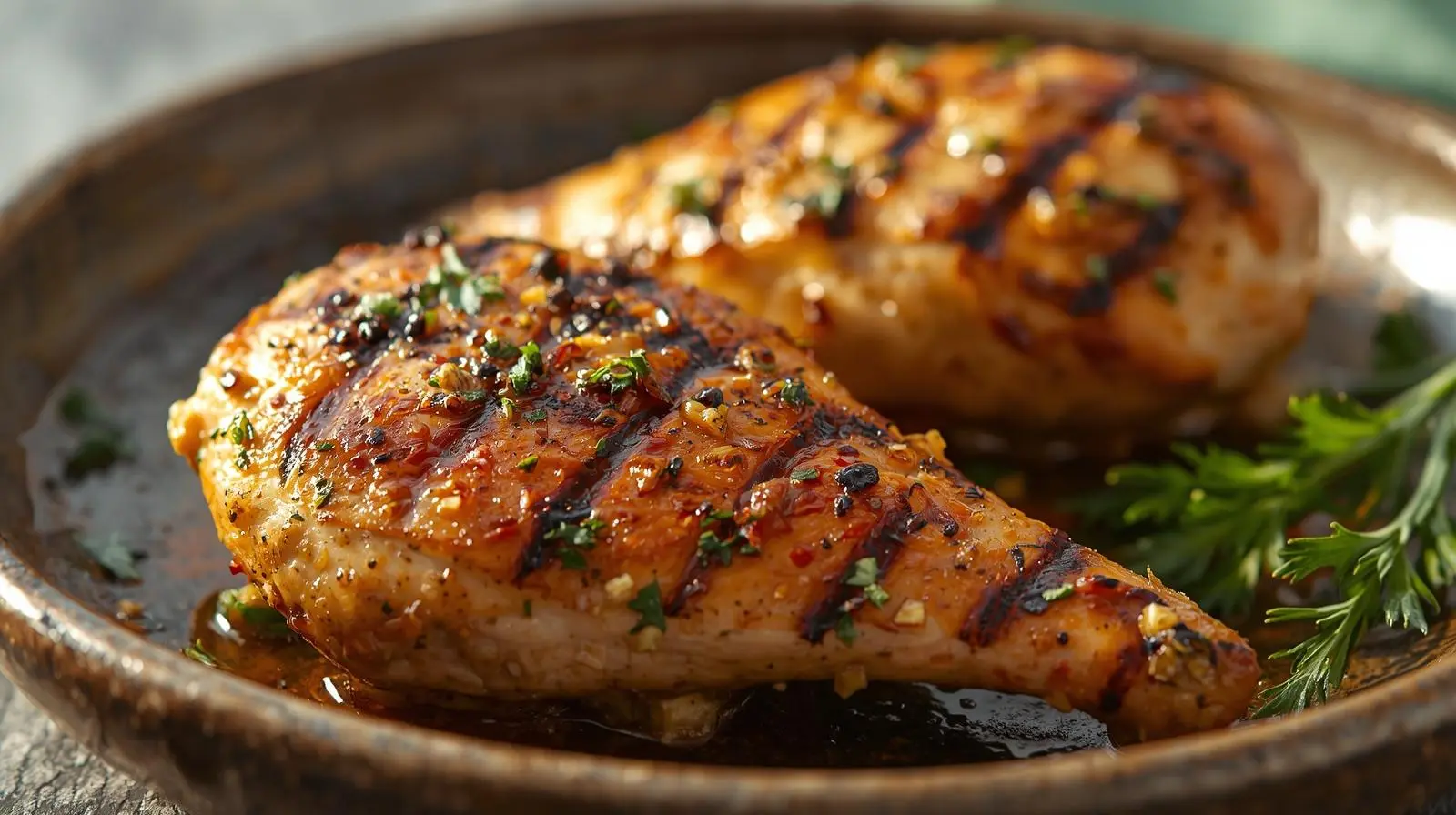
Lemon Herb Grilled Chicken
Looking for a dish that will wow your family and friends? Try the Lemon Herb Grilled Chicken recipe. It’s a mix of lemon’s brightness and herbs’ richness, making it incredibly tasty.
Grilling chicken to perfection is an art. But with the right tips, you can make it juicy and delicious every time. We’ll guide you through making this chicken recipe. Your next barbecue or dinner party will be a hit.
Key Takeaways
- Learn how to marinate chicken for maximum flavor.
- Discover the best herbs to pair with lemon for a refreshing twist.
- Understand the techniques for grilling chicken to perfection.
- Get tips on how to serve and present your dish for maximum impact.
- Explore variations of the recipe to suit different tastes.
The Perfect Lemon Herb Marinade
The secret to great grilled chicken is a tasty lemon herb marinade. It makes the poultry tender and flavorful. This is something other cooking methods can’t match.
Essential Ingredients for the Marinade
A good marinade needs the right mix of ingredients. For a lemon herb marinade, you need acidity, oil, and herbs. Choosing between fresh and bottled lemon juice is crucial for flavor.
Fresh vs. Bottled Lemon Juice
Fresh lemon juice is the best choice for marinades. It brings a brighter, more vibrant taste than bottled juice. Bottled juice can be too acidic and lacks the depth of fresh lemons. Using organic chicken means your marinade ingredients should be top-notch to enhance its natural taste.
Best Herbs for Chicken Marinades
Herbs like rosemary, thyme, and parsley are great for chicken marinades. They add a fragrant aroma and a savory taste that complements the chicken. You can experiment with different herbs to find your favorite mix.
Balancing Flavors: Acid, Oil, and Herbs
A good marinade balances acidity, oil, and herbs. The acid tenderizes the chicken, while the oil keeps it moist. Herbs add depth and complexity. Getting the balance right is essential for a great marinade.
Make-Ahead Options for Your Marinade
One of the best things about lemon herb marinades is you can make them ahead. Prepare the marinade a day before and refrigerate it. This lets the flavors mix well. It makes meal prep simpler and ensures your chicken is always flavorful.
Selecting the Best Chicken for Grilling
The success of your grilled chicken starts with the right cut. There are many options, and knowing the differences is key.
Chicken Cuts That Work Best on the Grill
For grilling, some chicken cuts are better than others. Chicken breasts and thighs are top picks because of their size and taste.
Bone-in vs. Boneless Options
Bone-in chicken stays moist longer. But, boneless chicken cooks more evenly. Think about what you want most.
Skin-on vs. Skinless Considerations
Skin-on chicken gets crispy outside. Skinless chicken is better for seasoning the meat. Your choice affects texture and taste.
Fresh vs. Frozen Chicken Considerations
Fresh chicken is often chosen for its texture. But, frozen chicken works well if thawed right. Think about what’s easier for you.
Organic and Free-Range Options
Organic and free-range chickens are better. They’re raised without antibiotics and have more room. This can mean better taste and nutrition.
Preparing Your Chicken for Maximum Flavor
Getting your chicken ready is key to a tasty grilled dish. You need to clean and trim it, maybe butterfly or spatchcock it, and think about dry brining for juiciness.
Proper Cleaning and Trimming Techniques
First, rinse your chicken under cold water and dry it with paper towels. This removes dirt and helps the marinade stick better. Also, trim off any extra fat to avoid flare-ups and keep flavors clean.
Butterfly or Spatchcock Methods
Butterflying or spatchcocking your chicken makes grilling better. It removes the backbone and flattens the chicken. This leads to even cooking and faster grilling.
Step-by-Step Butterflying Instructions
To butterfly your chicken, lay it breast-side down on a cutting board. Cut along both sides of the spine with kitchen shears, then remove the backbone. Flip it over and press down to flatten the breast. This simple step can greatly improve your grilling.
Tools Needed for Proper Preparation
Having the right tools is crucial for chicken prep. You’ll need kitchen shears for the backbone, a sharp knife for fat trimming, and a cutting board for prep.
| Tool | Purpose |
|---|---|
| Kitchen Shears | Removing the backbone |
| Sharp Knife | Trimming excess fat |
| Cutting Board | Preparing the chicken |
Dry Brining for Extra Juiciness
Dry brining, or pre-salting, makes your chicken juicier. Sprinkle salt over the chicken and refrigerate for a few hours. This draws out moisture, then reabsorbs it, making the chicken tender and flavorful.
For roasted chicken or chicken thighs, these steps are vital. Success on your grill depends on how well you prepare your chicken.
Marinating Techniques for Tender, Flavorful Chicken
Marinating chicken drumsticks and other poultry cuts needs a mix of skill and patience. The right marinating method can greatly improve the taste and tenderness of grilled chicken.
Optimal Marinating Times
The time you marinate your chicken is key. It can be a few hours or even overnight, depending on the chicken’s size and type.
Minimum vs. Maximum Marination Periods
For most chicken, marinating for at least 2 hours is a good start. But, marinating for 8-12 hours can make it even better. Just be careful not to marinate too long, as it can make the chicken mushy.
Signs of Over-Marination
Marinating too long can make chicken soft or slimy. Look out for a soft or slimy feel and a strong acidic taste if the marinade is too acidic.
Container Choices for Effective Marination
The container you use for marinating matters. Glass or ceramic dishes are best because they don’t transfer unwanted flavors or chemicals to the chicken.
“The choice of container can significantly affect the marinating process. Glass or ceramic containers are preferred over metal or plastic.”
Chef’s Guide to Marinating
Flavor Penetration Methods
To get flavors deeper into the meat, try scoring the chicken or using a meat tenderizer. These methods help the marinade soak into the meat, making the chicken more flavorful.
| Marinating Time | Chicken Cut | Expected Outcome |
|---|---|---|
| 2-4 hours | Chicken Drumsticks | Moderately flavored |
| 8-12 hours | Chicken Breasts | Highly tender and flavorful |
| 24 hours | Chicken Thighs | Very tender, potentially mushy if over-marinated |
Setting Up Your Grill for Chicken Success
To get perfectly grilled chicken, setting up your grill right is key. You need to know the difference between gas and charcoal grills. Also, creating the right heat zones and achieving the proper grill temperature are important.
Gas vs. Charcoal Grill Preparations
Choosing between a gas and charcoal grill changes how you prep for grilling chicken. Gas grills are easy to use and control the temperature well. Charcoal grills give a smoky taste that many love. For gas grills, make sure your propane tank is full and the burners are clean. For charcoal grills, pick good charcoal and light it right for even heat.
Creating Direct and Indirect Heat Zones
Setting up your grill with direct and indirect heat zones is crucial. This lets you cook chicken perfectly. You sear it over high heat and then finish it at a lower temperature.
Two-Zone Grilling Setup
A two-zone grilling setup divides your grill into two areas. One for direct heat and the other for indirect heat. For gas grills, turn on burners on one side and leave the other off. For charcoal grills, put coals on one side.
When to Use Each Zone
Use the direct heat zone to sear your chicken. This creates a flavorful crust. Then, move it to the indirect heat zone to cook it through without burning the outside. This way, your chicken stays juicy and well-cooked.
Proper Grill Temperature for Chicken
Getting the right grill temperature is key for safe and tasty chicken. Preheat your grill to medium-high for searing, then adjust to medium-low for finishing. The chicken should reach an internal temperature of 165°F (74°C). Use a meat thermometer to check the temperature.
The Ultimate Guide to Grilling Chicken
Grilling chicken to perfection is more than just a recipe. It’s about understanding the grilling process. Whether you use organic chicken or another type, the right techniques are key to a perfectly roasted chicken.
Preventing Sticking and Flare-Ups
Grilling chicken can be tricky. It’s important to avoid it sticking to the grill or causing flare-ups. Both can ruin your chicken or even start a fire.
Oil Application Techniques
To stop sticking, oil your grates before grilling. Use a paper towel dipped in oil and rub it on the grates with tongs. This makes a non-stick surface for even cooking.
Managing Fat Drippings
Flare-ups often come from chicken fat. Trim excess fat before grilling to prevent this. Also, place a drip pan under the grill to catch drippings and avoid flare-ups.
When and How to Flip Your Chicken
Flipping your chicken at the right time is key for even cooking. Flip it when it easily releases from the grates. Most chicken cuts need 5-7 minutes per side, depending on the heat.
Basting Methods During Grilling
Basting your chicken adds flavor and keeps it moist. Mix olive oil, herbs, and lemon juice for a tasty baste. Apply it in the last few minutes to avoid burning the sauce.
Mastering these grilling techniques will help you make a delicious roasted chicken. Whether it’s for a weeknight dinner or a weekend barbecue, your chicken will impress everyone.
Ensuring Food Safety With Chicken
To avoid foodborne illnesses, it’s key to handle chicken safely. Chicken can harbor bacteria like Salmonella and Campylobacter, which cause food poisoning. Proper handling and cooking are vital to ensure chicken is safe to eat.
Safe Internal Temperatures
Reaching the right internal temperature is crucial for food safety when cooking chicken. The USDA recommends cooking chicken to an internal temperature of at least 165°F (74°C). This ensures harmful bacteria are killed.
Breast vs. Thigh Temperature Guidelines
Different chicken cuts have different temperature needs, but the USDA guideline applies to all. Chicken breasts and thighs cook at different rates. Thighs, being denser, may require a bit more cooking time.
Color vs. Temperature Indicators
Color alone is not a reliable way to check if chicken is done. Chicken can look cooked on the outside but still be undercooked inside. Always use a thermometer for accuracy.
Using Meat Thermometers Correctly
A meat thermometer is essential for ensuring chicken is cooked to a safe temperature. To use it correctly, insert the thermometer into the thickest part of the breast or thigh, avoiding bones or fat. Wait a few seconds until the temperature stabilizes before reading it.
| Cut of Chicken | Recommended Internal Temperature |
|---|---|
| Chicken Breast | 165°F (74°C) |
| Chicken Thighs | 165°F (74°C) |
| Whole Chicken | 165°F (74°C) |
Avoiding Cross-Contamination
Cross-contamination happens when bacteria from chicken spread to other foods or surfaces. To prevent this, always separate raw chicken from ready-to-eat foods. Use separate cutting boards, utensils, and plates for raw chicken. Wash your hands thoroughly after handling raw poultry.
Resting and Serving Your Lemon Herb Chicken
After grilling your chicken perfectly, it’s time to let it rest. This step is crucial to keep those tasty juices inside. Resting makes the chicken tender and full of flavor.
Why Resting Matters
Resting is key because it lets the chicken recover from the grill’s heat. When you grill, the meat’s fibers contract, pushing juices to the surface. Resting allows these fibers to relax, spreading the juices evenly.
Optimal Resting Times by Cut
- For chicken breasts, rest for 5-10 minutes.
- For chicken thighs and drumsticks, a 10-15 minute rest is ideal.
Tenting Techniques
Use foil to tent your chicken while it rests. This keeps it warm and retains heat. Just cover it loosely with foil, making a tent that doesn’t touch the meat. It’s great for serving a crowd or when there’s a wait.
Carving Techniques for Different Cuts
Carving your chicken right can make it more enjoyable. For breasts, slice against the grain into thin strips. For thighs and drumsticks, serve whole or cut into small pieces, based on your style.
Presentation Tips for Impressive Serving
How you present your chicken matters a lot. Arrange your carved chicken on a platter with fresh herbs like parsley or rosemary. Add a squeeze of lemon juice and your favorite sauce for extra flavor and looks.
Perfect Side Dishes for Lemon Herb Grilled Chicken
Lemon Herb Grilled Chicken tastes even better with the right side dishes. These dishes can make your meal special. You can pick from many options to make your meal complete and enjoyable.
Complementary Vegetable Sides
Vegetables pair well with grilled chicken, offering a fresh taste. You can grill or roast them to serve with your chicken.
Grilled Vegetable Pairings
Grilling vegetables like bell peppers, zucchini, or asparagus with your chicken makes for a colorful meal. Just brush them with olive oil, season with salt, pepper, and herbs. Grilled vegetables add flavor and health to your meal.
Fresh Salad Combinations
A fresh salad with mixed greens, cherry tomatoes, cucumbers, and a light vinaigrette is a great contrast to savory chicken. Add chopped fresh herbs like parsley or dill for extra flavor. Fresh salads are healthy and easy to make.
Grain and Starch Pairings
Grains and starches also make great sides for Lemon Herb Grilled Chicken. Try quinoa, roasted potatoes, or grilled bread for a nice match.
Pair your chicken with a quinoa salad, mixed with vegetables and citrus vinaigrette, or with roasted potatoes seasoned with herbs and garlic. Roasted potatoes are a favorite and can be flavored in many ways.
Sauce and Condiment Suggestions
Adding sauces or condiments can enhance your meal. A tzatziki sauce with yogurt, cucumber, and dill is cool and creamy. Or, a squeeze of fresh lemon juice or your favorite chutney can add flavor.
Choosing the right side dishes can make your meal complete and delicious. Try different combinations to find your favorites.
PrintLemon Herb Grilled Chicken
Lemon Herb Grilled Chicken is a flavorful and juicy dish that combines the brightness of fresh lemon with the aromatic depth of herbs like rosemary, thyme, and parsley. Perfect for summer cookouts or easy weeknight dinners, this recipe teaches you how to marinate, grill, and serve chicken that’s tender, crisp, and bursting with zesty freshness. It’s simple to make, healthy, and guaranteed to impress guests or family alike.
- Prep Time: 15 minutes (plus marination)
- Cook Time: 15–20 minutes
- Total Time: 30–40 minutes (plus marination time)
- Yield: 4 servings
- Method: Grilling
- Cuisine: Mediterranean / American
- Diet: Gluten Free
Ingredients
For the Lemon Herb Marinade:
-
¼ cup olive oil
-
3 tbsp fresh lemon juice (from about 1½ lemons)
-
2 cloves garlic, minced
-
1 tbsp fresh rosemary, chopped
-
1 tbsp fresh thyme leaves
-
1 tbsp chopped fresh parsley
-
1 tsp salt
-
½ tsp black pepper
-
Optional: ½ tsp chili flakes or 1 tsp Dijon mustard for extra flavor
For the Chicken:
- 4 boneless, skinless chicken breasts (or thighs, if preferred)
-
Lemon slices, for garnish
-
Fresh herbs, for garnish
Instructions
-
Prepare the Marinade:
In a mixing bowl, whisk together olive oil, fresh lemon juice, minced garlic, herbs, salt, and pepper until well combined. -
Marinate the Chicken:
Place chicken in a glass or ceramic dish (avoid metal). Pour the marinade over the chicken, ensuring each piece is coated. Cover and refrigerate for at least 2 hours, or up to 12 hours for deeper flavor. -
Preheat the Grill:
Heat your grill to medium-high (around 400°F / 200°C). Lightly oil the grates to prevent sticking. -
Grill the Chicken:
Remove chicken from the marinade, letting excess drip off. Grill for 5–7 minutes per side, or until the internal temperature reaches 165°F (74°C). Flip only once to retain juices. -
Rest the Chicken:
Transfer grilled chicken to a plate and tent loosely with foil. Let rest for 5–10 minutes before slicing — this helps the juices redistribute and keeps it moist. -
Serve:
Arrange chicken on a platter. Garnish with fresh herbs and lemon slices. Serve warm with your favorite sides.
Notes
-
Fresh lemon juice is always best for marinades — bottled lemon juice tends to be too acidic and dull.
-
Don’t over-marinate; over 24 hours may make the chicken mushy.
-
For crispy skin, pat chicken dry before grilling and brush with oil just before cooking.
-
Use a two-zone grill setup (direct + indirect heat) for even cooking and to avoid burning.
-
Dry brining before marinating adds extra juiciness — sprinkle chicken with salt and refrigerate uncovered for 2–4 hours.
-
Pairs beautifully with grilled vegetables, roasted potatoes, or a fresh herb salad.
Conclusion: Mastering the Art of Lemon Herb Grilled Chicken
You now have the tools and techniques to make delicious Lemon Herb Grilled chicken. This chicken is sure to impress anyone. You’ve learned how to make the perfect marinade and choose the best chicken for grilling.
As you keep practicing, you’ll get better at grilling chicken. Try new herbs and spices to make your own special flavors. This will help you become more confident in your grilling skills.
With these skills, you can enjoy tender, flavorful chicken all summer. So, fire up your grill and get ready to enjoy perfectly grilled chicken. Use fresh lemons and herbs to make it even better.
FAQ
What is the best way to store leftover grilled chicken?
Store leftover grilled chicken in an airtight container in the fridge. Do this within two hours of cooking. It stays good for three to four days in the fridge. For longer, freeze it for months.
Can I use frozen chicken for grilling?
Yes, frozen chicken works for grilling, but thaw it first. You can thaw it in the fridge overnight or with cold water. Pat it dry before grilling to remove moisture.
How do I prevent chicken from sticking to the grill?
Clean and oil the grill grates before heating. Brush the chicken with oil or marinade to help it release. Preheat the grill right and don’t flip too soon to avoid sticking.
What is the recommended internal temperature for cooked chicken?
Cook chicken to 165°F (74°C). Check the temperature in the thickest part of the breast or thigh. Use a meat thermometer to ensure it’s safe.
Can I marinate chicken in the refrigerator overnight?
Marinating chicken overnight in the fridge enhances flavor. Keep it in a covered container and turn it for even marination. Always marinate in the fridge to prevent bacterial growth.
What are some good side dishes to serve with grilled chicken?
Serve grilled chicken with grilled veggies, fresh salads, roasted potatoes, or quinoa. Try it with BBQ sauce or tzatziki for extra flavor.
How do I achieve a crispy skin on grilled chicken?
Pat the chicken skin dry before grilling to remove moisture. Try dry brining with salt before grilling. Grill over medium-high heat for a crispy skin.
Can I grill chicken breast and thighs together?
Yes, you can grill chicken breast and thighs together. But, they cook at different rates. Monitor their temperature and adjust grilling time. Grill them in batches or use a two-zone setup.