
The Citrus Steam Secret: Natural DIY Oven Cleaner
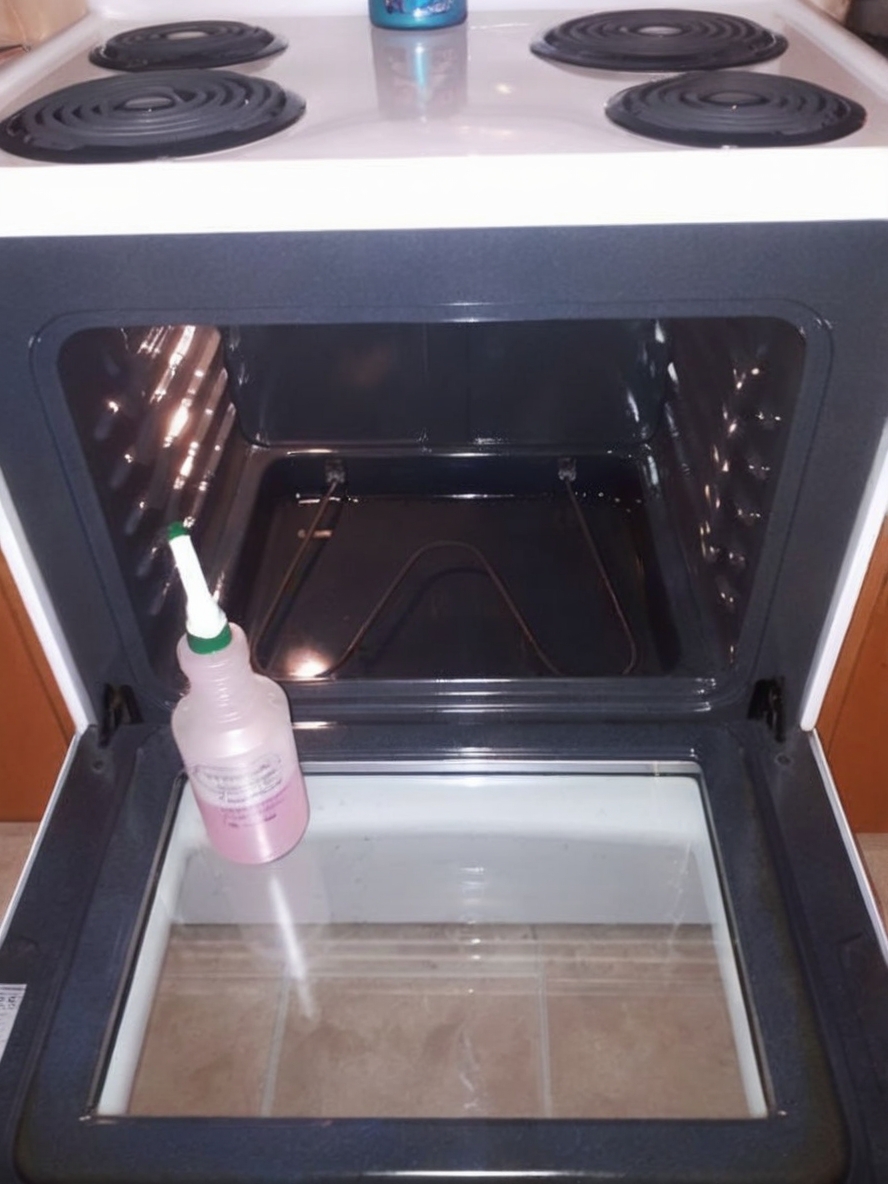
I spent part of my afternoon giving my kitchen a little extra love, and the way the grime just melted off the oven door using nothing but pantry staples was a beautiful sight. There is something deeply satisfying about achieving a professional-level shine without the harsh, stinging scent of traditional chemicals.
This recipe is a quiet victory for anyone who wants a sparkling kitchen but prefers a gentler, more breathable home environment. By using the natural abrasive power of baking soda and the grease-cutting acidity of vinegar, you get a powerful deep clean that is safe for your surfaces and your family.
It isn’t an intimidating chore. It is an honest, simple method that focuses on letting natural reactions do the heavy lifting for you. That is why this DIY approach has become my favorite way to keep the heart of the home feeling fresh and bright.
Natural DIY Oven Cleaner
Ingredients
-
1/2 cup baking soda
-
3 tbsp water (adjust for a spreadable paste)
-
1/2 cup white vinegar
-
10 drops lemon essential oil (optional for scent and extra grease cutting)
-
A small bowl and a clean spray bottle
Instructions
1) Create the Paste In a small bowl, mix the baking soda and water (and essential oil if using) until it reaches the consistency of a thick pancake batter or paste.
2) Prep the Oven Remove the oven racks. Use a spatula or a gloved hand to spread the paste over the interior surfaces of the oven, focusing on the extra greasy spots. Avoid the heating elements!
3) The Overnight Magic Let the paste sit for at least 12 hours or overnight. You will notice the white paste turning a brownish color as it draws out the grease and burnt-on food.
4) The Vinegar Reveal Fill a spray bottle with white vinegar and spritz it over the dried baking soda paste. It will begin to foam and fizz, which is the reaction that loosens the final bits of grime.
5) Wipe and Rinse Use a damp microfiber cloth or a non-scratch sponge to wipe away the foam and gunk. Rinse your cloth frequently in warm water as you go until the surface is smooth.
6) Finishing Touch Spray the oven door glass with a little extra vinegar and wipe one last time for a streak-free, crystal-clear finish.
Why This Method Works
-
Baking soda is a mild alkali that causes dirt and grease to dissolve easily in water.
-
The physical “fizz” created by the vinegar reaction mechanically lifts stubborn, carbonized food from the oven walls.
-
Lemon essential oil contains d-limonene, a natural solvent that helps break down sticky oils.
-
Unlike commercial cleaners, there are no caustic fumes, so you can cook in your oven immediately after cleaning.
Tips for Best Results
-
If you have particularly stubborn spots, use a plastic scraper or an old credit card to gently lift the softened grime after the overnight soak.
-
Clean your oven racks in the bathtub by soaking them in hot water with a little dish soap and baking soda while the oven interior soaks.
-
Wear gloves—even though it’s natural, the baking soda can be drying to your skin over time.
-
For maintenance, wipe up spills as soon as the oven cools to prevent them from becoming “baked-on” challenges later.
Variations & Substitutions
-
Use apple cider vinegar instead of white vinegar for a softer, slightly fruitier scent.
-
Swap lemon oil for orange or grapefruit oil; all citrus oils have excellent degreasing properties.
-
Add a teaspoon of natural liquid dish soap to the paste for an extra boost of sudsy cleaning power.
-
If you’re in a hurry, let the paste sit for just 60 minutes, though it won’t be quite as effortless to wipe away.
FAQ – Natural Oven Cleaning
Is this safe for self-cleaning ovens? Yes, this natural method is generally safe, but you should always avoid the heating elements and consult your manual if you have concerns about specific coatings.
How often should I do this? A deep clean every 3–6 months is usually plenty, but a quick “vinegar spritz” once a month keeps things from building up.
Can I use this on the stovetop too? Absolutely! The paste works wonders on glass cooktops and around the burners to lift burnt-on rings.
Will my kitchen smell like vinegar? The vinegar scent is strong for a few minutes but dissipates very quickly, leaving behind only the fresh scent of the lemon oil.
There is a simple, rustic joy in a home that shines without the use of harsh additives. I hope this natural cleaning secret brings a bit of sparkling, citrus-fresh comfort to your kitchen this week.