Simple No-Knead Bread
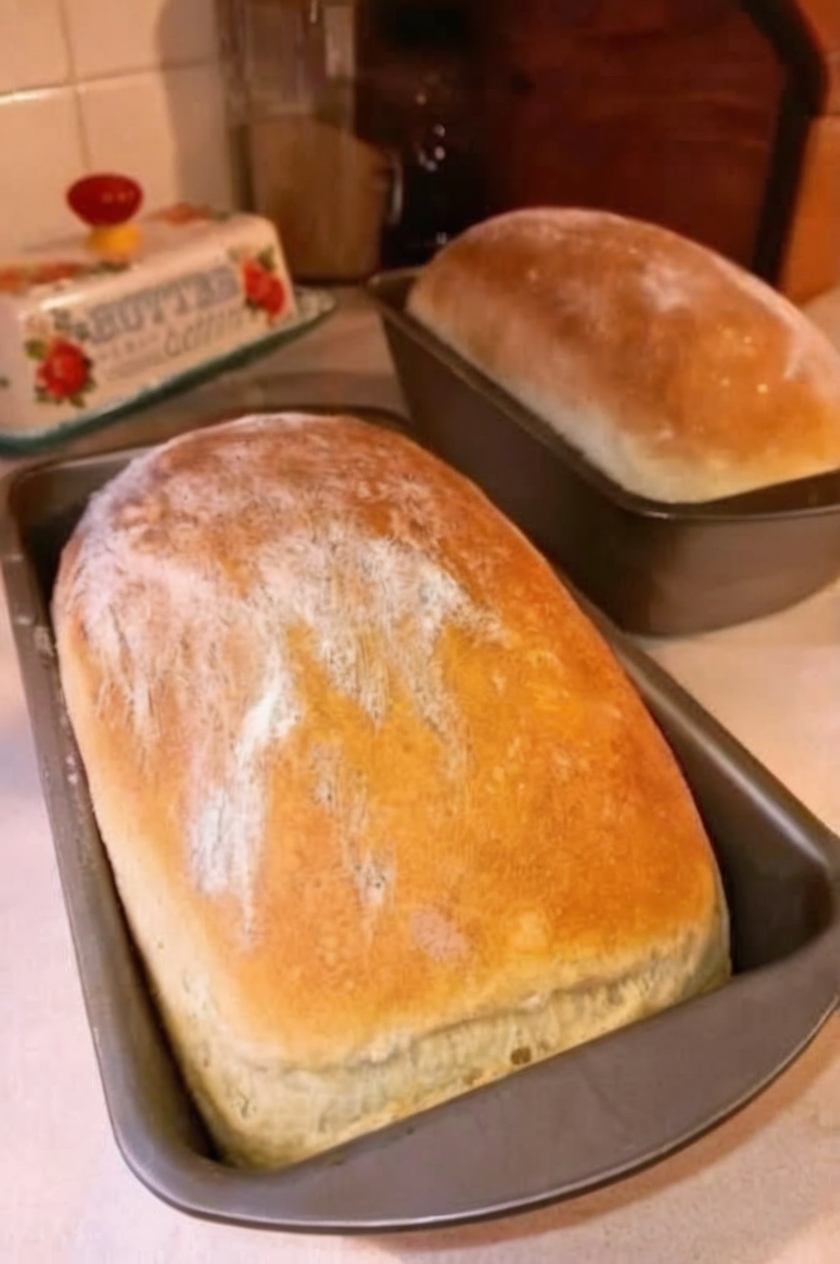
There is a quiet, rhythmic magic in a kitchen defined by the scent of a slow-fermenting dough. This Simple No-Knead Bread is a legendary “set-it-and-forget-it” staple, known for its shatteringly crisp, artisan-style crust and a soft, airy interior that melts the moment it hits your tongue.
This recipe is a favorite for those who believe that the best bread shouldn’t require a workout. It captures the essence of a traditional European bakery—offering a dense, satisfying texture and a nostalgic, yeasty aroma—providing a reliable, melt-in-your-mouth experience that is as effortless as it is delicious.
This recipe matters because it honors the beauty of the slow rise. It saves you from the labor of traditional kneading by focusing on the small, essential chemistry of time and hydration—proving that the most unforgettable loaves are often the result of beautiful simplicity.
Ingredients
-
3 cups All-purpose flour (Or bread flour for extra chew)
-
1 1/2 cups Warm water (About 100°F to 110°F)
-
1 1/2 teaspoons Salt
-
1/2 teaspoon Active dry yeast
-
(Optional: A sprinkle of flaky sea salt for the crust)
Instructions
-
In a large mixing bowl, whisk together the flour, salt, and yeast until well combined.
-
Pour the warm water into the dry ingredients and stir with a wooden spoon until a shaggy, sticky dough forms.
-
Cover the bowl tightly with plastic wrap and let it sit at room temperature for 12 to 18 hours (overnight is best).
-
Preheat your oven to 450°F and place a Dutch oven (with the lid) inside to heat for at least 30 minutes.
-
While the oven heats, turn the bubbly, fermented dough onto a heavily floured surface and gently fold it into a ball.
-
Place the dough onto a piece of parchment paper and let it rest while the Dutch oven finishes preheating.
-
Carefully remove the hot Dutch oven from the oven and lift the parchment paper to drop the dough inside.
-
Cover with the lid and bake for 30 minutes.
-
Remove the lid and bake for an additional 10 to 15 minutes until the crust is a deep, golden brown.
-
Remove the bread and allow it to cool on a wire rack for at least 30 minutes before slicing to ensure the center sets perfectly.
Why This Recipe Works
-
Long Fermentation: The 12-to-18-hour rest allows the yeast to slowly develop complex flavor molecules and natural gases, creating the “hole-filled” structure typical of artisan loaves.
-
Auto-Kneading: High hydration (the ratio of water to flour) allows the gluten strands to align themselves naturally over time, eliminating the need for physical kneading.
-
The Steam Chamber: Baking inside a preheated Dutch oven traps the moisture from the dough, creating a steam-filled environment that allows the crust to expand and become incredibly crispy.
-
Minimal Yeast: Using a small amount of yeast prevents the bread from rising too quickly, ensuring the flavor is wheat-forward rather than overly yeasty.
Tips for Best Results
Be patient. Time is your most important ingredient. The longer the dough sits (up to 18 hours), the better the flavor and texture will be. Don’t rush the fermentation process.
Use a hot pot. The Dutch oven must be screaming hot before the dough goes in. This initial “oven spring” is what gives the bread its height and professional-looking cracks on the surface.
Wet your hands. No-knead dough is notoriously sticky. If you need to handle it, lightly flour or wet your hands to prevent the dough from sticking to your skin while you shape the ball.
Variations & Substitutions
For a “Rosemary Garlic” twist, stir in 1 tablespoon of dried rosemary and 2 cloves of minced garlic during the initial mixing stage.
If you prefer a “Whole Grain” profile, substitute 1 cup of the all-purpose flour with whole wheat flour for an earthier, more rustic flavor.
To make this “Everything Bagel” style, sprinkle the top of the dough with everything bagel seasoning just before placing the lid on the Dutch oven.
Frequently Asked Questions
How should I store no-knead bread?
Store at room temperature in a paper bag for up to two days to preserve the crust. For longer storage, slice the bread and freeze it in a sealed bag; it toasts up beautifully directly from the freezer.
Can I use a regular baking sheet?
You can, but the crust will be much softer. To get the legendary artisan crunch, you need a heavy, lidded pot like a Dutch oven or a ceramic bread baker to trap the steam.
Why is my bread flat?
This usually happens if your yeast is expired or if the dough sat for too long (over 20 hours) and the gluten structure collapsed. Always check your yeast freshness before starting.
What if I don’t have a Dutch oven?
You can use any oven-safe heavy pot with a tight-fitting lid. If you don’t have a lid, place a pan of water on the bottom rack of the oven to create steam, though the results may vary.
There is a simple, savory joy in a meal that starts with a humble loaf of bread. Simple No-Knead Bread is a reminder that the most legendary flavors are often the ones that take the most time. We hope this golden, crispy artisan loaf becomes a favorite highlight of your kitchen adventures.