Whole Wheat Pasta Primavera
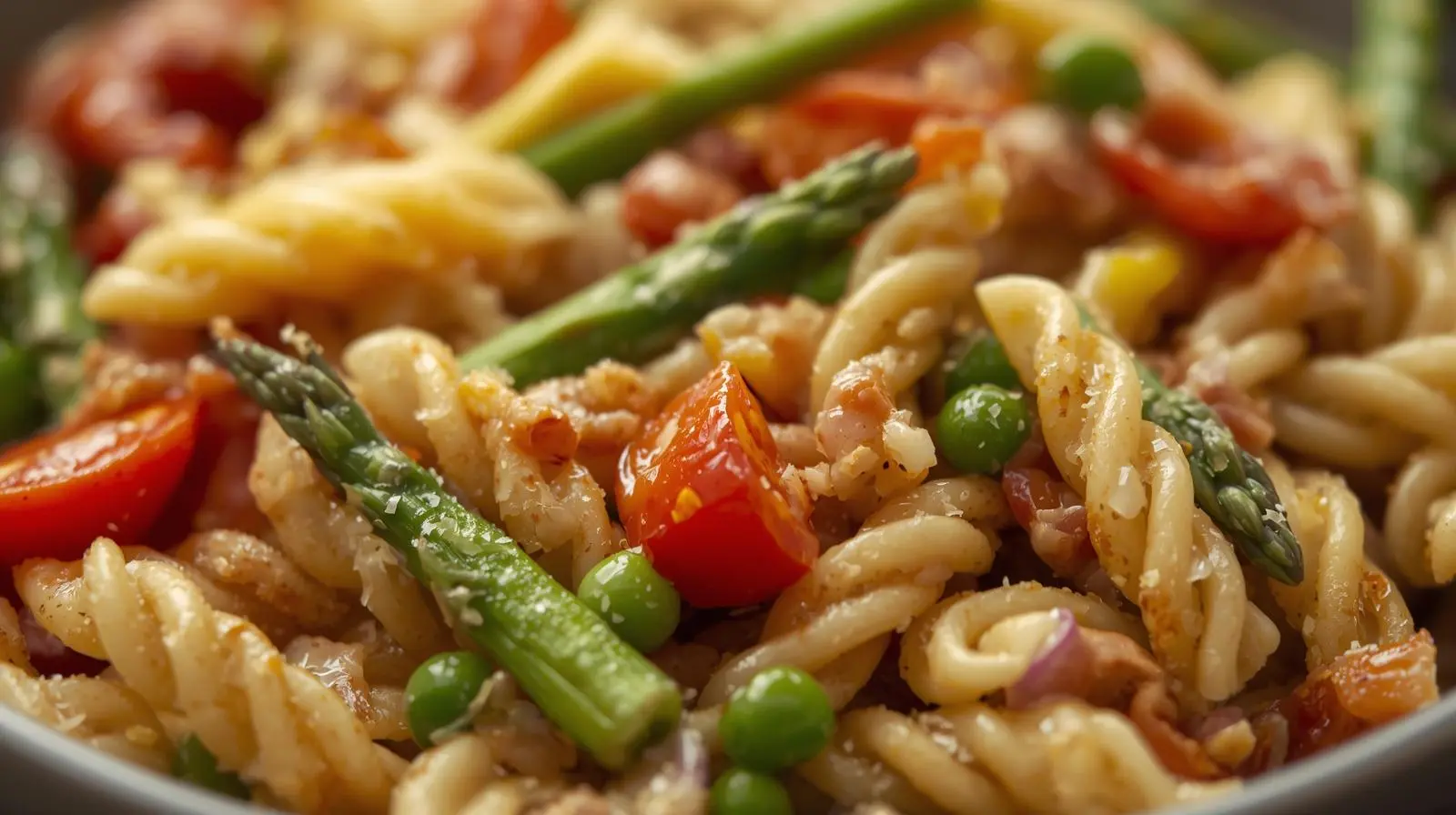
Looking for a dish that’s tasty and healthy? Whole Wheat Pasta Primavera is a great pick. It’s loaded with colorful vegetables and whole wheat pasta.
Eating a variety of vegetables is key for a healthy diet. They’re full of vitamins, minerals, and antioxidants. These nutrients help keep you healthy. Plus, whole wheat pasta adds fiber, making it a filling and nutritious meal.
Key Takeaways
- Whole Wheat Pasta Primavera is a nutritious and delicious meal option.
- Incorporating a variety of vegetables supports a healthy diet.
- Whole wheat pasta provides a good source of fiber.
- This dish is rich in vitamins, minerals, and antioxidants.
- It’s a great way to add more color and nutrition to your meals.
The Nutritional Benefits of Whole Wheat Pasta Primavera
Whole Wheat Pasta Primavera is a dish full of nutrients. It combines whole wheat pasta with fresh vegetables. This mix makes for a meal that’s both tasty and healthy.
Whole Wheat Pasta vs. Regular Pasta
Choosing whole wheat pasta over regular pasta is a smart move. Whole wheat pasta keeps more of its nutrients, like fiber and vitamins. This makes you feel full for longer.
| Nutritional Aspect | Whole Wheat Pasta | Regular Pasta |
|---|---|---|
| Fiber Content | High | Low |
| Protein Content | Moderate | Low |
| Glycemic Index | Lower | Higher |
Essential Nutrients in This Dish
Pasta Primavera with whole wheat pasta and veggies is full of good stuff. The veggies add vitamins A and C, potassium, and antioxidants. The whole wheat pasta adds fiber and B vitamins.
Adding colorful veggies to your Pasta Primavera boosts its nutritional value. Each color group brings different vitamins and minerals. Leafy greens have iron and calcium, while orange and yellow veggies are packed with vitamin C and beta-carotene.
Essential Ingredients for an Authentic Pasta Primavera
To make a memorable Pasta Primavera, start with top-notch ingredients. It’s all about fresh produce. Seasonal vegetables are the stars, so choose the best.
Selecting the Right Whole Wheat Pasta
The pasta is key in Pasta Primavera. Choose whole wheat pasta for its health benefits and rich taste. Look for organic durum wheat semolina for the best flavor.
Must-Have Vegetables for Primavera
Pasta Primavera shines with a mix of fresh, organic vegetables. Bell peppers, zucchini, and cherry tomatoes are great choices. They add color and nutrients.
Herbs, Spices, and Other Flavor Enhancers
Herbs and spices bring out the best in your fresh produce. Fresh basil, garlic, and parmesan cheese are essential. Try parsley or thyme for extra flavor. Experiment with spices to find your favorite mix.
With these ingredients, you’ll make a Pasta Primavera that’s tasty and healthy. It’s all about organic vegetables and whole grains.
The Power of Seasonal Vegetables in Your Primavera
Adding seasonal vegetables to your Pasta Primavera makes it taste better and healthier. By picking vegetables in season, your dish stays fresh and full of life. This way, you can try different colors, textures, and tastes, making every meal special.
Spring Vegetable Options
When spring comes, add asparagus, bell peppers, and carrots to your Pasta Primavera. These veggies bring color and a nice crunch that goes well with the pasta.
Summer Vegetable Choices
Summer brings zucchini, cherry tomatoes, and corn. These are at their best taste. Lightly cooking them keeps their sweetness, making your Pasta Primavera a summer hit.
Fall and Winter Alternatives
In fall and winter, use butternut squash, Brussels sprouts, and kale. They add warmth and depth to your Pasta Primavera. They’re great with the earthy tastes of the season, perfect for chilly weather.
Using seasonal vegetables keeps your Pasta Primavera fresh and exciting all year. It makes sure it’s always a favorite dish in your kitchen.
Kitchen Tools and Equipment You’ll Need
To start making Whole Wheat Pasta Primavera, you need the right kitchen tools. The right tools make cooking easier and help your dish come out great.
Essential Cookware
You’ll need a big pot for boiling whole wheat pasta. Also, a skillet or sauté pan is needed for cooking veggies. Choose a pan that keeps heat well, like stainless steel or cast iron. Celebrity chef Ina Garten said, “The most important thing in cooking is to have a good pan.” A good pan is key to cooking veggies perfectly.
- A large pot (at least 4-quart capacity)
- A stainless steel or cast iron skillet
Helpful Gadgets for Vegetable Preparation
For efficient veggie prep, you’ll need some gadgets. A vegetable peeler is needed for peeling carrots and other veggies. A sharp chef’s knife is crucial for chopping veggies evenly. Also, a cutting board gives a clean, stable surface for chopping. Cookbook author Mark Bittman says, “A good knife is the most important tool in your kitchen.”
- A vegetable peeler
- A sharp chef’s knife
- A cutting board
Preparing Your Vegetables for Maximum Flavor and Nutrition
To make a great Whole Wheat Pasta Primavera, focus on how you prepare your veggies. It’s not just about picking the right ones. You also need to wash, cut, and cook them right to keep their nutrients and taste.
Proper Washing and Cutting Techniques
Start by washing your veggies well. Use cold water to get rid of dirt and chemicals. For leafy greens, separate the leaves and soak them to remove hidden dirt.
Safety Tips for Handling Different Vegetables
It’s important to handle veggies safely to avoid contamination. Wash your hands before and after touching raw veggies. Also, use different cutting boards for each type of veggie.
Cutting Styles for Various Vegetables
Each veggie needs a special cutting style. Carrots can be julienned or thinly sliced. Broccoli should be broken into florets. This makes sure they cook evenly and look good too.
Blanching vs. Roasting vs. Sautéing
How you cook your veggies affects their taste and nutrients. Blanching keeps colors and nutrients bright. Roasting brings out their natural sweetness. Sautéing cooks them fast, keeping them crunchy.
Preserving Nutrients During Preparation
To keep nutrients in your veggies, cook them quickly and use the right methods. Steaming or sautéing are good choices. They help keep vitamins and minerals in. Also, using cooking water in your sauce helps keep nutrients that might otherwise be lost.
| Cooking Method | Nutrient Retention | Flavor Enhancement |
|---|---|---|
| Blanching | High | Moderate |
| Roasting | Moderate | High |
| Sautéing | High | High |
Step-by-Step Cooking Instructions for Perfect Whole Wheat Pasta
Whole wheat pasta can make your Pasta Primavera dish even better. It’s all about how you prepare it. Pasta is a key part of the dish.
Achieving the Ideal Al Dente Texture
To get the perfect al dente texture, follow these steps. Start by boiling a large pot of salted water. Use 4-6 quarts of water for every pound of pasta and add 1-2 tablespoons of salt.
Once boiling, add your whole wheat pasta and stir gently. This prevents it from sticking. Cook it until it’s al dente, which takes about 7-9 minutes.
To check if it’s done, take a piece of pasta out and bite into it. It should feel slightly firm in the center.
Common Mistakes to Avoid
One mistake is overcooking the pasta, making it mushy. Another is not using enough salt, making it taste bland. To avoid these, use enough salt and check the pasta often towards the end.
Also, save some pasta water before draining. This water can help your sauce blend better with your vegetables.
| Pasta Type | Cooking Time | Water Quantity | Salt Quantity |
|---|---|---|---|
| Whole Wheat Spaghetti | 7-9 minutes | 4-6 quarts | 1-2 tablespoons |
| Whole Wheat Fettuccine | 8-10 minutes | 4-6 quarts | 1-2 tablespoons |
“The art of cooking pasta is not just about following a recipe, it’s about understanding the pasta itself and treating it with care.” This quote highlights the importance of detail in cooking pasta.
By following these tips and avoiding common mistakes, you’ll make a delicious Whole Wheat Pasta Primavera. It will highlight your vegetables beautifully.
Creating a Flavorful Yet Healthy Sauce
The sauce is key to a great Pasta Primavera. It should be both healthy and tasty. A good sauce brings together the flavors of vegetables, pasta, and seasonings.
You can choose from several options. This depends on your diet and the flavor you want.
Light Cream-Based Options
For a creamy sauce without the guilt, try a light cream-based option. Mix a small amount of heavy cream or half-and-half with Parmesan cheese and a pinch of nutmeg. This adds richness without too many calories.
- Use low-fat cream or milk alternatives for a healthier version.
- Add flavor with herbs like parsley or basil instead of relying on salt.
- Experiment with different types of cheese for unique flavor profiles.
Olive Oil and Garlic Foundations
For a lighter, Mediterranean-inspired sauce, start with olive oil and garlic. Sauté minced garlic in olive oil until fragrant. Then, toss with cooked pasta and vegetables. This method is flavorful and healthy.
Tips for enhancing your olive oil and garlic sauce:
- Add a squeeze of fresh lemon juice for brightness.
- Incorporate chopped fresh herbs for added depth.
- Use roasted garlic for a sweeter, nuttier flavor.
Vegetable-Based Sauce Alternatives
For a vegan or dairy-free option, make a sauce from vegetables. Blend cooked vegetables like cauliflower or carrots with vegetable broth and seasonings. This is not only nutrient-rich but also versatile.
To make a vegetable-based sauce, blend cooked vegetables with pasta cooking water. Season with salt, pepper, and herbs and spices. This way, you can add more veggies to your meal while staying healthy.
Vegetables: Selecting the Best Varieties for Your Primavera
The secret to a lively Pasta Primavera is picking the freshest, tastiest veggies. You can make a dish that’s both colorful and healthy with many options.
Classic Primavera Vegetable Combinations
Traditional Pasta Primavera recipes use spring veggies like bell peppers, zucchini, cherry tomatoes, and broccoli. These add bright colors and a mix of tastes.
For a timeless mix, try bell peppers and onions with zucchini and cherry tomatoes. This combo is sweet, crunchy, and pairs well with whole wheat pasta.
Organic vs. Conventional Produce
Choosing between organic and conventional veggies is a big decision. Organic vegetables are grown without harmful chemicals, appealing to those who want to avoid them.
Organic might cost more, but it often has fewer chemicals and supports green farming. Yet, clean conventional veggies can be a budget-friendly, healthy choice too.
How to Identify Fresh, Quality Vegetables
To make your Pasta Primavera taste great, pick the freshest, best veggies. Look for ones that are firm, brightly colored, and show no signs of spoilage.
| Vegetable | Freshness Indicators |
|---|---|
| Bell Peppers | Firm, glossy, and vibrant in color |
| Zucchini | Glossy, tender, and free of soft spots |
| Cherry Tomatoes | Plump, red, and slightly soft to the touch |
Assembling Your Pasta Primavera: Step-by-Step Guide
Now that you have all your ingredients, it’s time to put your Pasta Primavera together. Assembling this dish needs some care, but with a few simple steps, you’ll get a perfect mix of flavors and textures.
Timing Each Component
Timing is key when making Pasta Primavera. You want your pasta to be just right, your veggies tender but crisp, and your sauce warm. Start by cooking your whole wheat pasta for 7-9 minutes, as the package says. While the pasta cooks, get your veggies ready by washing, cutting, and sautéing them in olive oil with garlic. Heat your sauce in another pan, making sure it’s warm and ready to coat everything.
Combining Pasta, Vegetables, and Sauce
When everything is ready, it’s time to mix it all together. Drain the pasta and put it in a big bowl. Add the sautéed seasonal vegetables and gently toss to spread them out. Then, pour the warm sauce over the pasta and veggies, and toss again to coat everything well. This is where cooking with vegetables really shines, as their colors and flavors blend with the pasta and sauce.
Final Seasoning Adjustments
After mixing the pasta, veggies, and sauce, taste your Pasta Primavera and adjust the seasoning if needed. You might want to add more salt, pepper, or herbs. A squeeze of fresh lemon juice can also enhance the flavors. But be careful not to overseason, as it can mask the taste of the seasonal vegetables.
Dietary Variations and Accommodations
You can enjoy Whole Wheat Pasta Primavera, no matter your dietary needs. It’s easy to make changes to fit different diets. This way, everyone can enjoy its delicious flavors.
Gluten-Free Alternatives
If you need to avoid gluten, try using gluten-free pasta. You can find it made from rice, quinoa, or corn. Just make sure it’s certified for your diet.
Vegan and Dairy-Free Options
To make it vegan or dairy-free, swap Parmesan for nutritional yeast or vegan Parmesan. Use plant-based milk or olive oil instead of cream or butter. These changes keep the dish creamy and flavorful.
Low-Carb Adaptations
For a lower-carb version, use less pasta and more veggies. You can also use zucchini noodles or spaghetti squash. This makes the dish lighter and healthier.
| Dietary Need | Modification |
|---|---|
| Gluten-Free | Use gluten-free pasta |
| Vegan/Dairy-Free | Replace Parmesan with nutritional yeast; use plant-based milk |
| Low-Carb | Reduce pasta; add more vegetables; use zucchini noodles |
Serving Suggestions and Complementary Sides
Make your meal special by pairing Whole Wheat Pasta Primavera with the right wine and sides. The secret to a great meal is the balance between the main dish and its sides.
Wine Pairings
A crisp white wine is perfect for Pasta Primavera’s bright flavors. Try a Sauvignon Blanc or Pinot Grigio to balance the dish. If you like a lighter red, a Pinot Noir is a nice choice.
Bread and Salad Accompaniments
Add crunch with garlic bread or a green salad. Toasted Ciabatta or Focaccia with garlic and olive oil is great. Or, a simple salad with light vinaigrette is a refreshing side.
PrintWhole Wheat Pasta Primavera
Whole Wheat Pasta Primavera is a vibrant, healthy pasta dish packed with colorful seasonal vegetables and hearty whole wheat pasta. This recipe combines the goodness of fresh produce with the rich, nutty flavor of whole grains. High in fiber, vitamins, and antioxidants, it’s a delicious way to eat healthy while enjoying a comforting, satisfying meal. Perfect for any season, this dish adapts easily to different veggies and dietary preferences.
- Prep Time: 15 minutes
- Cook Time: 20 minutes
- Total Time: 35 minutes
- Yield: 4 servings
- Method: Sauté + Boil
- Cuisine: Italian
- Diet: Vegetarian
Ingredients
For the Pasta Primavera:
-
12 oz whole wheat pasta (spaghetti, fettuccine, or penne)
-
2 tbsp olive oil
-
2 cloves garlic, minced
-
1 cup bell peppers (mixed colors), sliced
-
1 medium zucchini, sliced
-
1 cup cherry tomatoes, halved
-
1 cup broccoli florets
-
½ cup grated Parmesan cheese (or vegan alternative)
-
¼ cup fresh basil leaves, chopped
-
Salt and black pepper to taste
-
1–2 tbsp lemon juice (optional)
-
½ cup reserved pasta water
Optional Add-ins:
- ½ cup asparagus pieces (spring option)
-
½ cup corn kernels (summer option)
-
½ cup roasted butternut squash or Brussels sprouts (fall/winter option)
Instructions
-
Boil the Pasta
Bring 4–6 quarts of salted water to a boil. Add the whole wheat pasta and cook for 7–9 minutes until al dente. Reserve ½ cup of pasta water, then drain. -
Prepare the Vegetables
While the pasta cooks, heat olive oil in a large skillet over medium heat. Add minced garlic and sauté until fragrant. -
Cook the Veggies
Add bell peppers, zucchini, broccoli, and cherry tomatoes to the skillet. Sauté for 4–6 minutes until tender but still crisp. -
Combine Everything
Add cooked pasta to the skillet. Pour in a little reserved pasta water and toss everything together. -
Add Seasoning & Finish
Stir in basil, Parmesan cheese, lemon juice (if using), salt, and pepper. Toss well until evenly coated and heated through. -
Serve
-
Plate the pasta, garnish with extra basil or Parmesan, and serve warm.
Notes
-
For a vegan version, substitute Parmesan with nutritional yeast or a vegan cheese alternative.
-
To make it gluten-free, use gluten-free pasta made from rice, quinoa, or corn.
-
Avoid overcooking vegetables — slight crunch keeps nutrients and texture.
-
Add variety by using seasonal vegetables for a fresh twist year-round.
Conclusion
Exploring Whole Wheat Pasta Primavera has shown you a tasty and nutritious dish. It’s filled with vegetables and whole wheat pasta, making it great for your health. This meal boosts your health, making it a smart choice for your diet.
Using seasonal vegetables and herbs, you can make a dish that tastes amazing and is good for you. Whole Wheat Pasta Primavera lets you try new ingredients and cooking ways. This keeps your meals exciting and fresh.
Whole Wheat Pasta Primavera is a fantastic start for healthy eating. It’s full of health benefits and tastes great. So, be creative with your ingredients and enjoy the good stuff this dish offers.
FAQ
What are the health benefits of eating Whole Wheat Pasta Primavera?
Whole Wheat Pasta Primavera is packed with fiber, vitamins, and minerals. It’s a healthy choice that supports a balanced diet. It can help with weight management, improve digestion, and lower the risk of chronic diseases.
Can I use regular pasta instead of whole wheat pasta?
Regular pasta is okay, but whole wheat pasta is better. It has more fiber and nutrients. Whole wheat pasta keeps you full longer and offers more health benefits.
What are the best vegetables to use in Pasta Primavera?
Choose fresh, seasonal, and varied vegetables for Pasta Primavera. Bell peppers, broccoli, carrots, and snap peas are great choices. Try asparagus, zucchini, and cherry tomatoes for a colorful dish.
How do I preserve the nutrients in the vegetables while cooking?
Use gentle cooking methods like steaming, sautéing, or blanching. Avoid overcooking to keep vitamins and minerals intact. Cooking with olive oil can also help with nutrient absorption.
Can I make Pasta Primavera ahead of time?
It’s best to serve Pasta Primavera fresh. But you can prepare the pasta, vegetables, and sauce ahead. Just combine them just before serving for the best taste and texture.
Is Pasta Primavera suitable for a plant-based diet?
Yes, Pasta Primavera is great for a plant-based diet. Use vegetable-based sauces and skip dairy for a vegan version. Choose your favorite vegetables and a plant-based sauce for a nutritious meal.
How can I adapt Pasta Primavera to suit different dietary needs?
To suit different diets, make some changes. Use gluten-free pasta for gluten-free options. Replace dairy with plant-based alternatives for vegan or dairy-free versions. Try zucchini noodles or spiralized vegetables to reduce carbs.