Whole Wheat Pasta Primavera
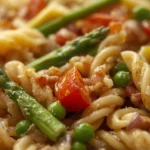
Whole Wheat Pasta Primavera is a vibrant, healthy pasta dish packed with colorful seasonal vegetables and hearty whole wheat pasta. This recipe combines the goodness of fresh produce with the rich, nutty flavor of whole grains. High in fiber, vitamins, and antioxidants, it’s a delicious way to eat healthy while enjoying a comforting, satisfying meal. Perfect for any season, this dish adapts easily to different veggies and dietary preferences.
- Prep Time: 15 minutes
- Cook Time: 20 minutes
- Total Time: 35 minutes
- Yield: 4 servings
- Method: Sauté + Boil
- Cuisine: Italian
- Diet: Vegetarian
Ingredients
For the Pasta Primavera:
-
12 oz whole wheat pasta (spaghetti, fettuccine, or penne)
-
2 tbsp olive oil
-
2 cloves garlic, minced
-
1 cup bell peppers (mixed colors), sliced
-
1 medium zucchini, sliced
-
1 cup cherry tomatoes, halved
-
1 cup broccoli florets
-
½ cup grated Parmesan cheese (or vegan alternative)
-
¼ cup fresh basil leaves, chopped
-
Salt and black pepper to taste
-
1–2 tbsp lemon juice (optional)
-
½ cup reserved pasta water
Optional Add-ins:
- ½ cup asparagus pieces (spring option)
-
½ cup corn kernels (summer option)
-
½ cup roasted butternut squash or Brussels sprouts (fall/winter option)
Instructions
-
Boil the Pasta
Bring 4–6 quarts of salted water to a boil. Add the whole wheat pasta and cook for 7–9 minutes until al dente. Reserve ½ cup of pasta water, then drain. -
Prepare the Vegetables
While the pasta cooks, heat olive oil in a large skillet over medium heat. Add minced garlic and sauté until fragrant. -
Cook the Veggies
Add bell peppers, zucchini, broccoli, and cherry tomatoes to the skillet. Sauté for 4–6 minutes until tender but still crisp. -
Combine Everything
Add cooked pasta to the skillet. Pour in a little reserved pasta water and toss everything together. -
Add Seasoning & Finish
Stir in basil, Parmesan cheese, lemon juice (if using), salt, and pepper. Toss well until evenly coated and heated through. -
Serve
-
Plate the pasta, garnish with extra basil or Parmesan, and serve warm.
Notes
-
For a vegan version, substitute Parmesan with nutritional yeast or a vegan cheese alternative.
-
To make it gluten-free, use gluten-free pasta made from rice, quinoa, or corn.
-
Avoid overcooking vegetables — slight crunch keeps nutrients and texture.
-
Add variety by using seasonal vegetables for a fresh twist year-round.
Find it online: https://bon-recipe.com/whole-wheat-pasta-primavera/