
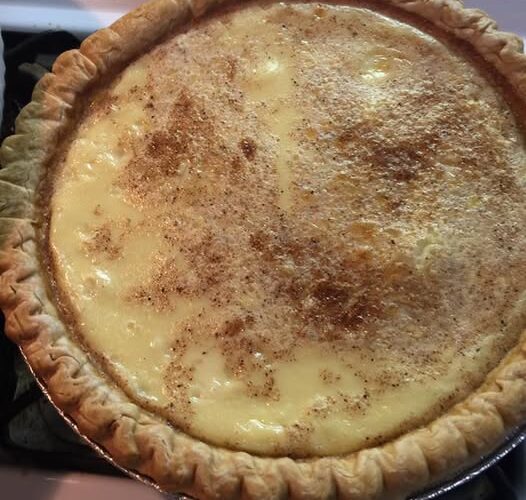
There is a comforting, timeless magic in desserts that rely on just a handful of simple pantry staples to create something truly extraordinary. The scent of warm vanilla and toasted nutmeg always takes me right back to Gram’s kitchen on a weekend afternoon.
This Old School Egg Custard Pie is a heritage favorite, known for its remarkably silky texture and a delicate, spiced finish that ensures every slice is a melt-in-your-mouth experience. It is wonderfully unfussy, and it has quickly become my husband’s absolute favorite dessert for quiet Sunday evenings.
This recipe matters because it represents the heart of old-fashioned home baking, requiring absolutely zero fancy equipment. It saves you from the complexity of modern desserts by using a straightforward, one-bowl method that delivers reliable, nostalgic results every single time.
Ingredients
3 whole Eggs
2 cups Whole milk (essential for a rich, creamy set)
1/2 cup Granulated sugar
1 teaspoon Nutmeg (plus a little extra for dusting the top)
1 teaspoon Vanilla extract
1 Unbaked pie shell (store-bought or homemade)
Instructions
Preheat your oven to 350°F and place your unbaked pie shell in a standard pie dish.
In a large mixing bowl, crack the 3 whole eggs and beat them lightly with a whisk.
Add the whole milk, granulated sugar, nutmeg, and vanilla extract to the beaten eggs.
Whisk everything together thoroughly until the sugar is completely dissolved and the liquid is perfectly smooth.
Carefully pour the custard filling directly into the unbaked pie shell.
Sprinkle a light dusting of extra nutmeg evenly over the top of the liquid for a beautiful, classic finish.
Bake in the preheated oven for 40 minutes, or until the edges are set but the center still has a slight jiggle.
Remove from the oven and allow the pie to cool completely on a wire rack before slicing to ensure a clean cut.
Why This Recipe Works
Protein-Dairy Synergy: The combination of whole eggs and milk creates a stable, silky custard that sets perfectly without the need for heavy cream or complex starches.
Aromatic Warmth: Baking the nutmeg right into the custard allows the essential oils to bloom gently, providing a deep, comforting flavor profile throughout the entire pie.
Gentle Heat Coagulation: Baking at a moderate 350°F ensures the egg proteins coagulate slowly, preventing the delicate filling from weeping or becoming rubbery.
One-Bowl Simplicity: The streamlined mixing process minimizes cleanup and active prep time, making it an effortless addition to any busy dinner plan.
Tips for Best Results
Do not over-bake: Start checking the pie right around the 35-minute mark. A slightly wobbly center is the secret to a melt-in-your-mouth experience once it finishes cooling.
Protect the crust: If you notice the fluted edges of your pie crust starting to brown too quickly, gently cover them with a protective ring of aluminum foil.
Cool completely: Cutting into a warm custard pie will cause the filling to run. Absolute patience during the cooling phase is essential for beautiful, clean slices.
Variations & Substitutions
Citrus Twist: Add a half-teaspoon of fresh lemon zest to the filling mixture for a brighter, slightly tart contrast to the rich dairy base.
Vintage Dairy Swaps: While whole milk is wonderful, you can substitute a can of evaporated milk for an even richer, deeper old-fashioned creaminess.
Spice Adjustments: Swap out half of the nutmeg for ground cinnamon or cardamom for a warmer, autumn-inspired flavor profile.
Crustless Option: Pour the filling directly into buttered ramekins and bake them in a water bath for a simple, gluten-free dessert alternative.
Frequently Asked Questions
How should I store this egg custard pie?
Keep it covered loosely with plastic wrap or foil in the refrigerator for up to three days to maintain its firm, chilled texture.
Can I make this pie ahead of time?
Yes, this is an excellent make-ahead dessert because the custard actually requires several hours in the fridge to fully chill and set properly.
What can I use instead of a standard pie shell?
A homemade all-butter crust is always wonderful, or you can press a graham cracker crust into the dish for a slightly sweeter, textured base.
Why did my custard pie turn out watery?
This usually happens if the pie was under-baked or sliced while it was still too warm, preventing the egg proteins from fully binding and setting the liquid.
Whether you are baking for a special occasion or just want a slice of quiet comfort, this pie is a beautiful reminder that the best traditions are often the simplest. We hope this golden, nutmeg-dusted classic brings a touch of warmth and nostalgia to your table.