

Vanilla Sugar Butter Cookies have golden edges, soft centers, and a delicate sugar coating that settles into little cracks as they bake. Butter and vanilla do most of the work here, giving a simple cookie plenty of flavor without frosting or elaborate decorations.
A short chill keeps the dough easy to handle and helps the cookies bake up thick rather than thin. Roll the dough in sugar, leave room on the pan, and pull the cookies out while the centers still look slightly soft. They finish setting as they cool.
A Simple Cookie Worth Keeping
These cookies fit almost any occasion: an afternoon treat, a holiday tray, or a small gift packed into a tin. The outside has a light crispness, while the middle stays tender. Because the ingredient list is straightforward, use butter and vanilla you enjoy the taste of.
Yield: about 30 cookies
Prep time: 20 minutes
Chill time: 45 minutes
Bake time: 10–12 minutes per batch
Oven: 350°F (175°C)
Ingredients
- 1 cup (226 g) unsalted butter, softened but still cool
- 1 1/4 cups (250 g) granulated sugar
- 1 large egg, room temperature
- 2 teaspoons pure vanilla extract
- 2 1/2 cups (313 g) all-purpose flour
- 1/2 teaspoon baking powder
- 1/2 teaspoon baking soda
- 1/2 teaspoon fine salt
- 1/3 cup granulated sugar, for rolling
Before You Start
Butter should give slightly when pressed, without looking shiny or oily. If it is too warm, the dough will be sticky and the cookies will spread more. Measure flour by weight if possible. If using cups, spoon the flour lightly into the cup and level it rather than scooping directly from the bag.
Use plain granulated sugar for the classic delicate coating. Coarser sanding sugar gives more crunch, but it changes the surface texture. Baking powder and baking soda work together for a light lift and gently cracked tops.
How to Make Vanilla Sugar Butter Cookies
1. Cream the butter and sugar
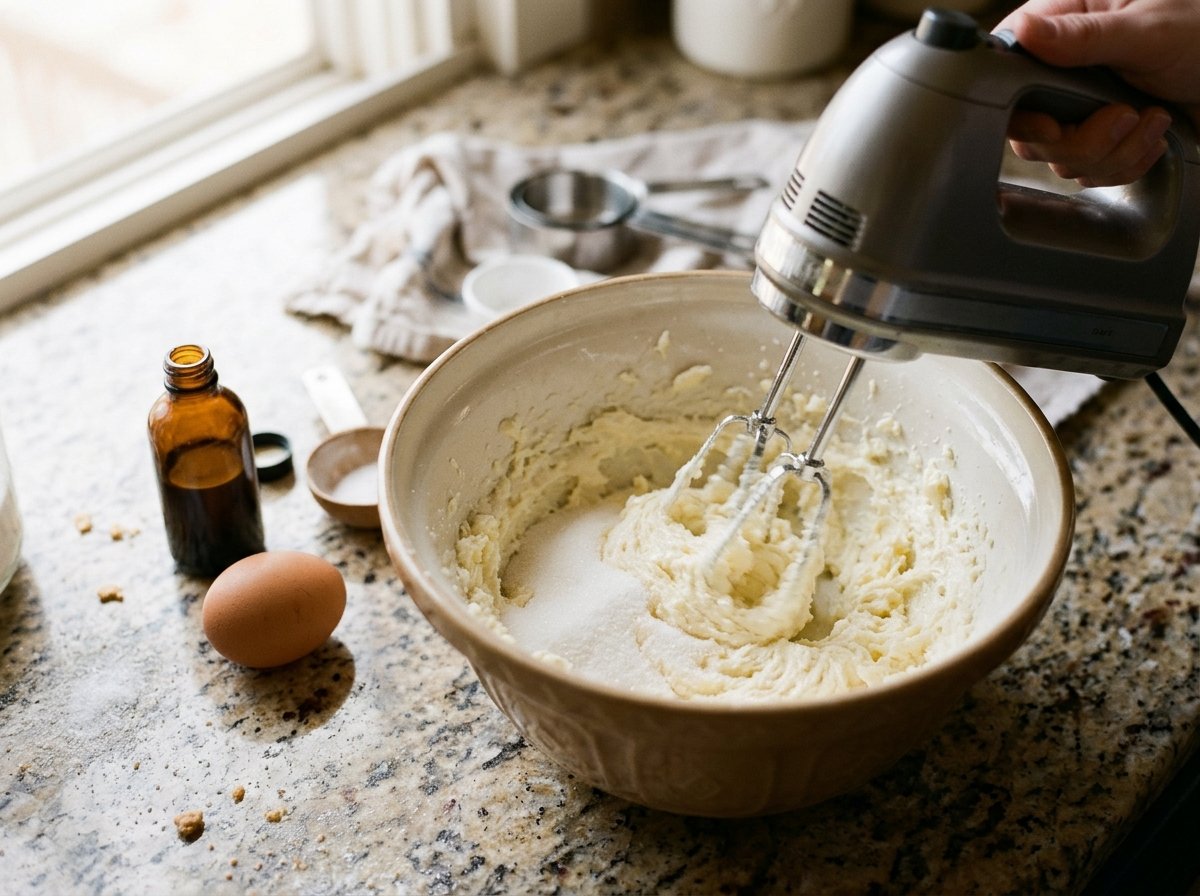
Beat the softened butter and 1 1/4 cups sugar with an electric mixer on medium speed for 2–3 minutes, until lighter and fluffy. Scrape down the bowl. Beat in the egg and vanilla until smooth, then scrape the bowl again so no streaks of butter remain.
2. Mix in the dry ingredients
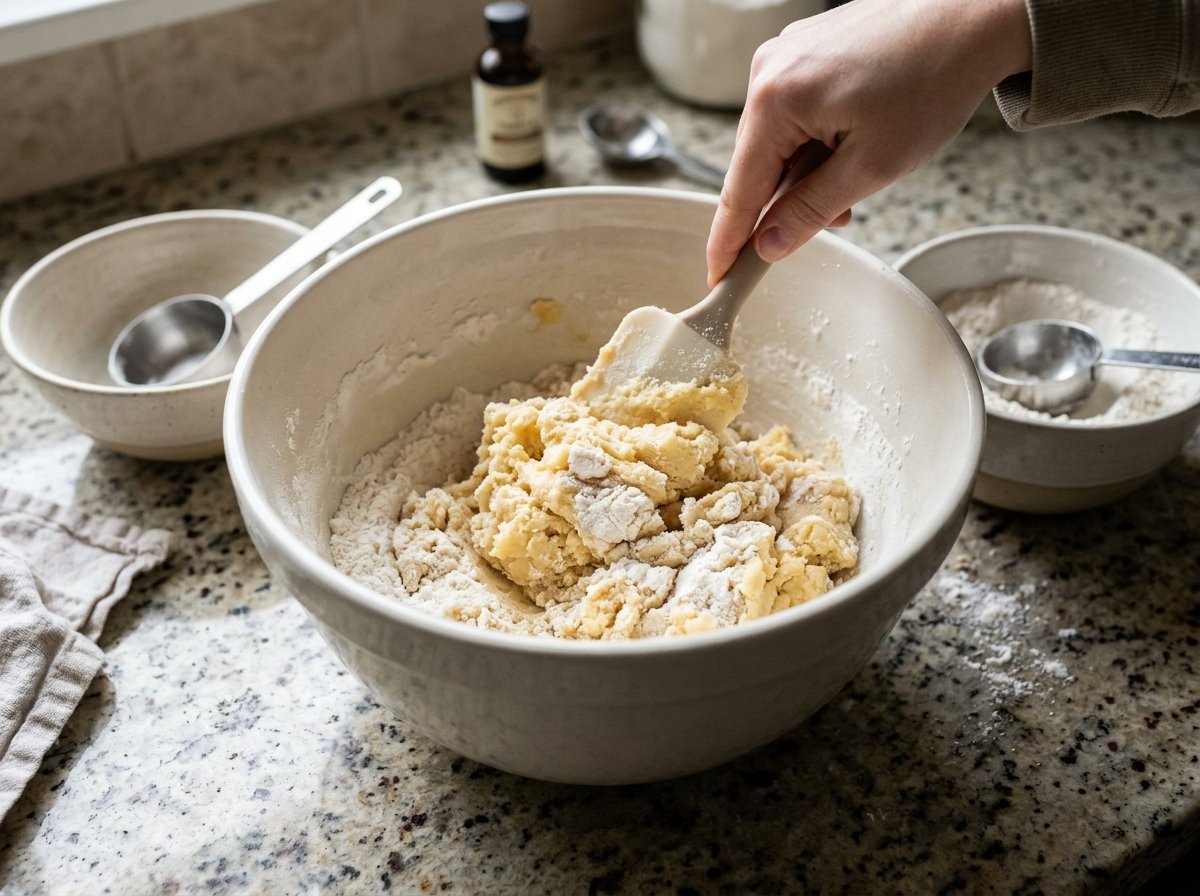
Whisk the flour, baking powder, baking soda, and salt in a separate bowl. Add to the butter mixture in two additions on low speed. Stop as soon as the flour disappears. Scrape the bottom of the bowl with a spatula and fold once or twice to bring the dough together.
3. Chill and shape
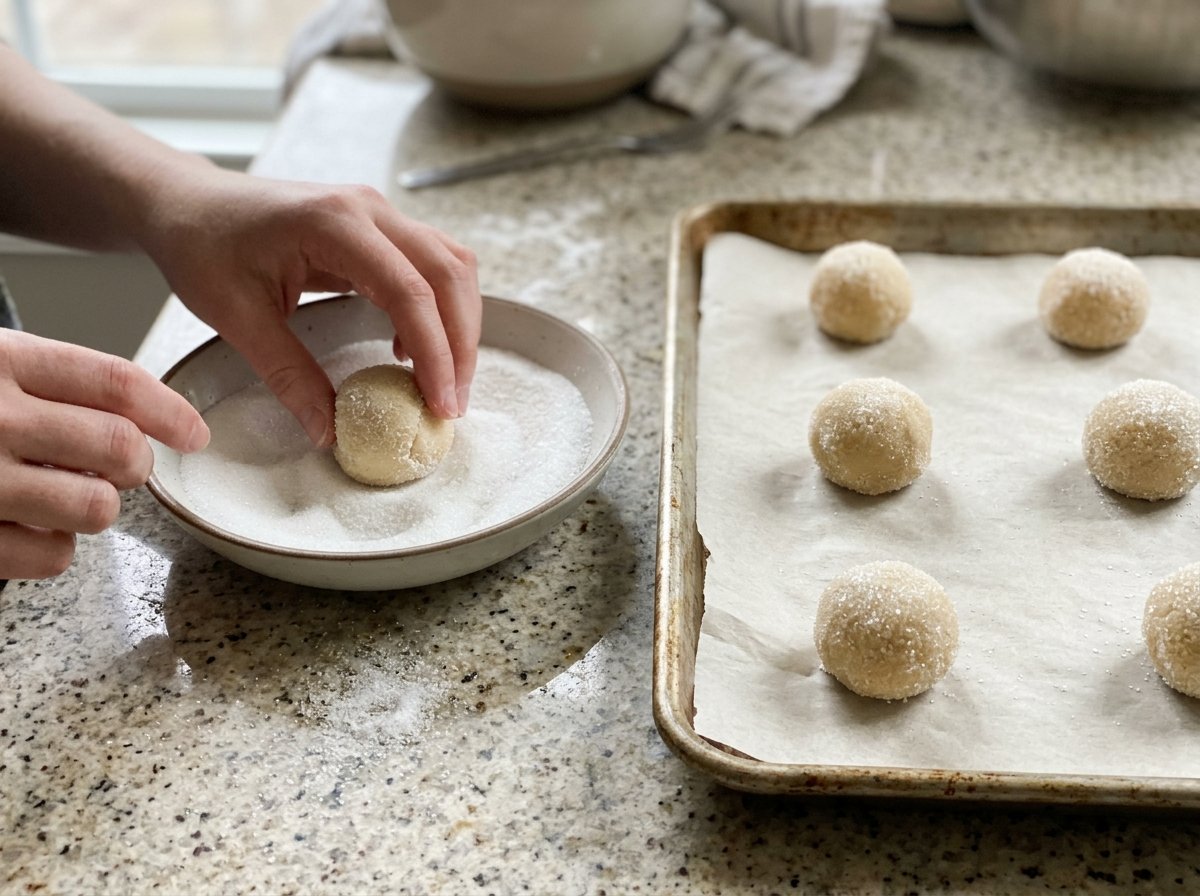
Cover and refrigerate the dough for 45 minutes, or until firm enough to scoop. Heat the oven to 350°F and line baking sheets with parchment. Scoop level 1 1/2-tablespoon portions, roll gently into balls, then coat in the remaining sugar. Arrange about 2 inches apart. Keep extra dough chilled while the first batch bakes.
4. Bake and cool
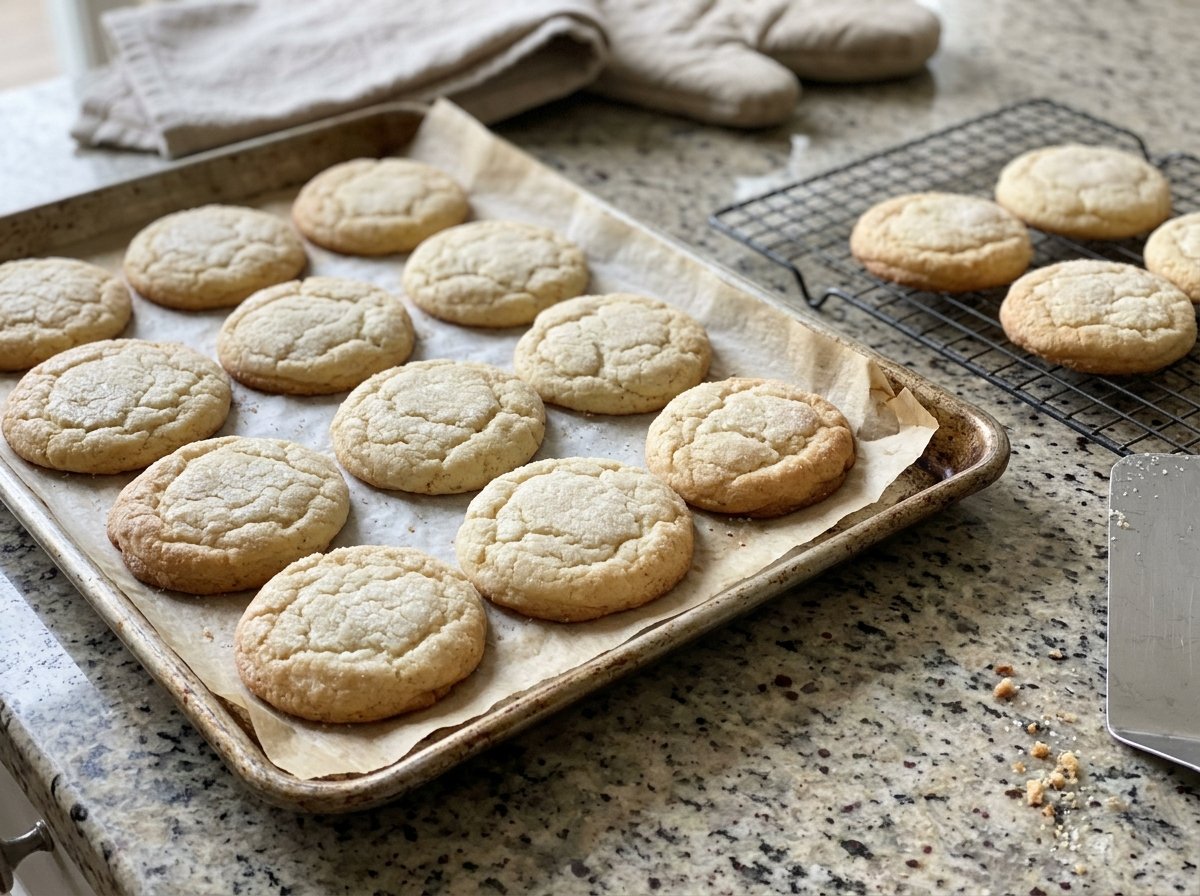
Bake one sheet at a time on the middle rack for 10–12 minutes. The edges should be pale golden and set; the centers should still look soft rather than wet. Leave on the baking sheet for 5 minutes, then move to a wire rack to cool completely. Let the sheet cool before adding another batch.
Tips for Soft Centers and Golden Edges
- Do not overmix the flour. Too much mixing can make the cookies firm rather than tender.
- Keep portions even. A scoop helps the whole pan finish at the same time.
- Use cool pans. Hot baking sheets melt the butter before the dough reaches the oven.
- Check early. Dark pans and small dough balls can bake faster.
- Allow the rest on the tray. Fresh cookies are fragile, and the short cooling time helps them set.
Easy Variations
For a citrus version, rub 1 teaspoon finely grated lemon or orange zest into the sugar before creaming. For holiday cookies, replace part of the rolling sugar with colored sanding sugar. A small pinch of cinnamon in the coating makes a warm variation, though it will soften the pure vanilla flavor.
You can also dip half of each cooled cookie in melted chocolate and let it set on parchment. Keep any decorations light so the buttery cookie remains the main attraction.
Storage and Make-Ahead
Store cooled cookies in an airtight container at room temperature for 4–5 days. Separate decorated cookies with parchment. For longer storage, freeze the baked cookies for up to 2 months and thaw in the closed container.
The dough can be refrigerated, covered, for up to 2 days. If it becomes very firm, let it stand just until scoopable. To freeze, portion the dough into balls and freeze on a tray before transferring to a freezer bag. Freeze up to 2 months. Roll in sugar before baking and add a minute or two to the baking time when baking from frozen.
Frequently Asked Questions
Why did my cookies spread too much?
The butter or dough may have been too warm, or the flour may have been undermeasured. Chill the remaining dough until firm and bake it on a cool lined sheet.
Why are the cookies dry?
Extra flour and overbaking are common causes. Weigh the flour and remove the cookies while the centers are still slightly soft.
Can I use salted butter?
Yes. Reduce the added salt to 1/4 teaspoon, since salted butter varies by brand.
Can I cut this dough into shapes?
This is a scoop-and-roll dough designed to spread a little. Use a dedicated cutout cookie recipe if you need sharp outlines for detailed decorating.