Classic Vanilla Pound Cake: A Timeless Treat You Can Master at Home
There is a legendary, golden-crusted magic in a cake that relies on the fundamental weight of its ingredients rather than chemical leaveners. This Classic Vanilla Pound Cake is a “kitchen-staple” favorite, known for its dense, velvet-like crumb and a buttery richness that ensures every slice is a melt-in-your-mouth experience of pure, nostalgic comfort.
This recipe is a favorite for those who want “bakery-case” quality with almost zero active preparation. It captures the essence of a traditional 18th-century bake—offering a satisfyingly sturdy texture and a deep, vanilla-bean aroma—providing a reliable, effortless masterpiece that proves the most unforgettable desserts are often the result of beautiful simplicity.
This recipe matters because it honors the beauty of the “emulsified” batter. It saves you from the dryness of over-mixed sponges by utilizing a straightforward “cream-and-fold” method, providing a reliable, family-friendly centerpiece that is as effortless as it is delicious.
Ingredients
-
1 cup Unsalted butter (Softened to room temperature)
-
1 cup Granulated sugar
-
4 large Eggs (Room temperature)
-
2 teaspoons Vanilla extract (Or vanilla bean paste)
-
1 1/2 cups All-purpose flour
-
1/2 teaspoon Salt
-
(Optional: A dusting of powdered sugar for a professional finish)
Instructions
-
Preheat your oven to 325°F and grease a 9×5 inch loaf pan thoroughly with butter and a light dusting of flour.
-
In a large mixing bowl, cream the softened butter and granulated sugar for 5 to 7 minutes until the mixture is legendary, pale, and fluffy.
-
Add the eggs one at a time, beating well after each addition to ensure a professional-grade emulsion.
-
Stir in the vanilla extract; the high quality of your vanilla is the secret to a professional, high-end aroma.
-
In a separate bowl, whisk together the flour and salt.
-
Gradually fold the dry ingredients into the butter mixture by hand or on the lowest mixer setting.
-
Stop mixing the moment the last streak of flour vanishes; this preserves the dense, melt-in-your-mouth crumb.
-
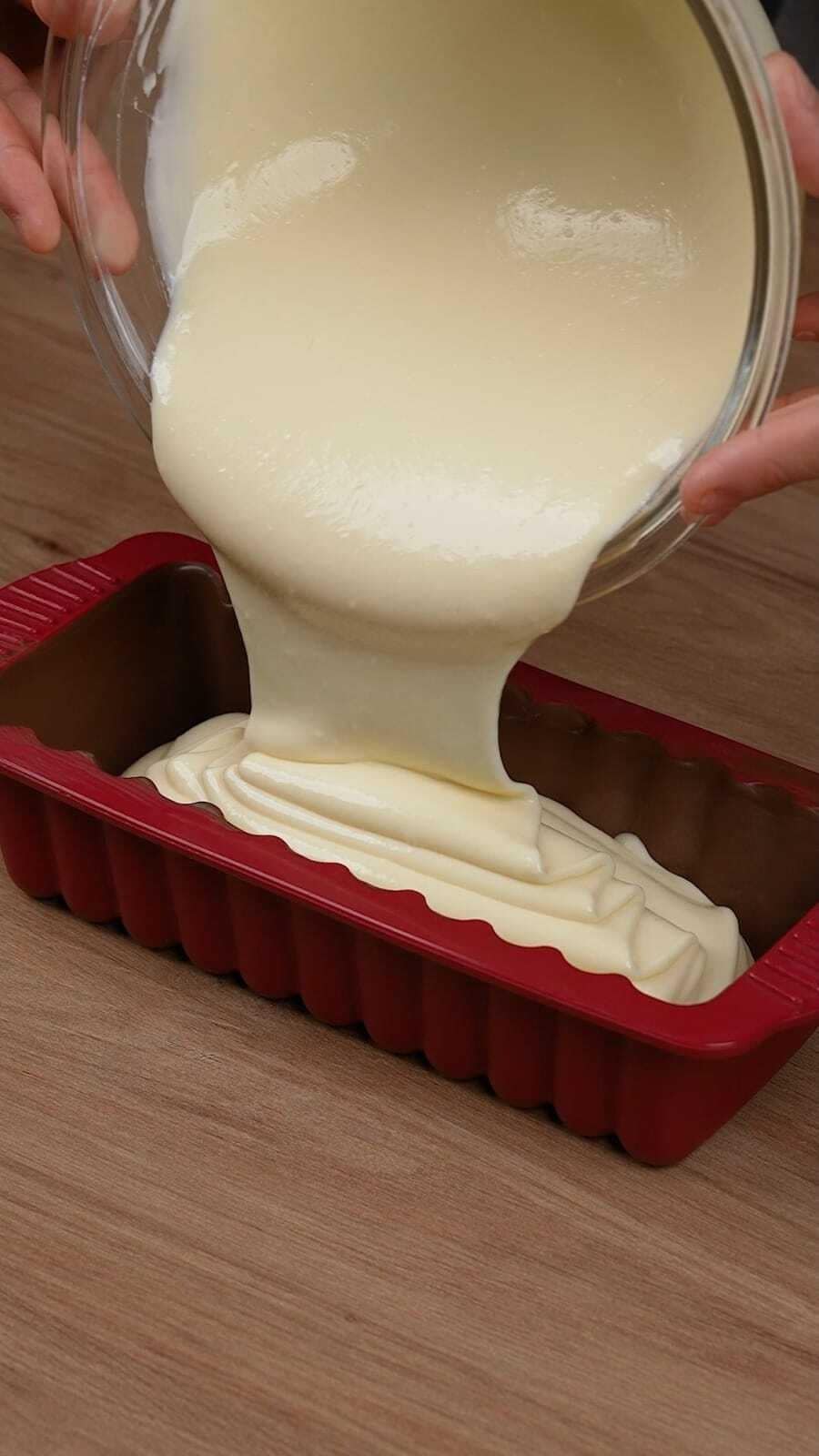
Pour the thick batter into the prepared loaf pan and smooth the top with a spatula.
-
Bake for 60 to 70 minutes until the top is a deep golden mahogany and a skewer inserted into the center comes out clean.
-
Allow the cake to cool in the pan for 15 minutes before inverting onto a wire rack to cool completely.
Why This Recipe Works
-
Mechanical Aeration: By creaming the butter and sugar for a full seven minutes, you create millions of tiny air pockets that act as the primary “lift” for the cake without the need for baking powder.
-
Egg Protein Structure: The large volume of eggs provides the structural “scaffolding” needed to hold up the heavy weight of the butter and sugar as it bakes.
-
The “Pound” Ratio: Using roughly equal weights of fat, sugar, and flour creates a dense crumb that resists drying out, resulting in a professional-grade shelf life.
-
Maillard Crust Development: The high sugar-to-moisture ratio on the exterior of the cake allows for intense browning, creating a legendary, slightly crunchy “cap” that contrasts the soft interior.
Tips for Best Results
Use “Room Temp” ingredients. For a truly legendary emulsion, your butter and eggs must be at room temperature. If the eggs are cold, they will cause the butter to seize, resulting in a “broken” batter and a heavy, oily cake.
Don’t skip the creaming. Most home bakers stop creaming too early. You want the butter and sugar to look like whipped cream. This is the only way to achieve a professional-grade rise in a true pound cake.
The “Crack” Secret. For that iconic, professional-looking split down the center, take a knife dipped in melted butter and draw a shallow line down the middle of the batter before placing it in the oven.
Variations & Substitutions
For a “Citrus Bright” twist, add the zest of two lemons and a tablespoon of lemon juice to the batter for a bright, professional-grade acidity.
If you prefer a “Marble Swirl” profile, remove one cup of batter and fold in two tablespoons of cocoa powder before swirling it back into the vanilla base.
To make this “Almond Velvet,” replace one teaspoon of vanilla with a half-teaspoon of almond extract for an earthy, sophisticated floral note.
Frequently Asked Questions
How should I store vanilla pound cake?
Store in an airtight container at room temperature for up to four days. It is legendary when toasted with a bit of extra butter for a decadent breakfast.
Can I use salted butter?
Yes, but omit the additional salt from the dry ingredients. Unsalted butter is preferred for a more professional-grade control over the final flavor profile.
Why did my cake sink in the middle?
This usually happens if the oven door was opened too early or if the butter wasn’t creamed enough. Ensure your oven is fully preheated to 325°F before the cake goes in!
Can I bake this in a Bundt pan?
Yes, but you will need to double the recipe for a standard 10-cup Bundt pan. The bake time will remain roughly the same, but check at the 55-minute mark.
There is a simple, savory joy in a cake that has stood the test of time for centuries. Classic Vanilla Pound Cake is a reminder that the most legendary bakes are the ones that rely on the basics. We hope this golden, butter-scened classic becomes a favorite highlight of your next quiet afternoon tea.