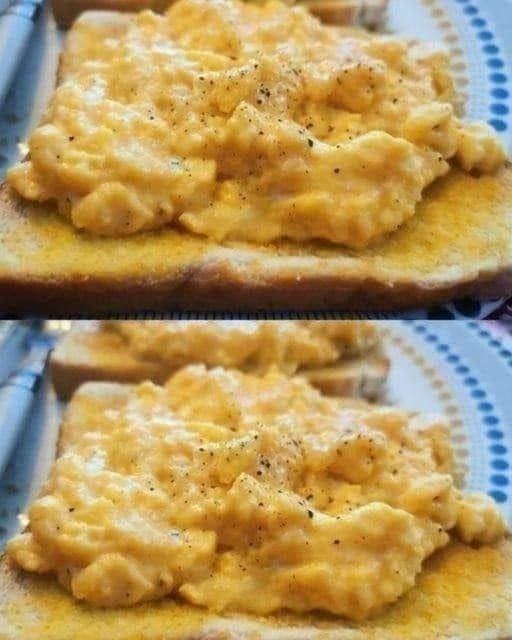
How to Cook Scrambled Eggs Perfectly
There is a quiet, rhythmic magic in the morning sound of a whisk against a bowl. Perfect scrambled eggs are a legendary breakfast staple, known for their bright, golden hue and a texture that balances a soft, custard-like creaminess with a delicate structure that melts the moment it hits your tongue.
This guide is a favorite for those who believe that the simplest dishes are the hardest to master. It captures the essence of a classic diner breakfast but elevates it with a specific temperature-control technique that ensures every plate is professional-grade, providing a reliable, melt-in-your-mouth experience that outshines any rushed or rubbery alternative.
This guide matters because it honors the beauty of the humble egg. It saves you from the disappointment of dry, overcooked curds by focusing on the small, essential chemistry of low heat and constant movement—proving that the best start to the day is one made slowly, with a little patience and a lot of heart.
Ingredients
-
3 large Eggs (Preferably pasture-raised)
-
1 tablespoon Unsalted butter
-
1 tablespoon Heavy cream or whole milk (Optional, for extra richness)
-
1 pinch Salt
-
1 pinch Black pepper
-
(Optional: Fresh chives, finely chopped for garnish)
Instructions
-
Crack the eggs into a medium bowl and whisk vigorously for at least 30 seconds until the yolks and whites are completely combined and no streaks remain.
-
If using, whisk in the heavy cream or milk to add a velvety, “slow-scrambled” texture.
-
Place a small non-stick skillet over low heat and add the tablespoon of butter.
-
Once the butter is melted and begins to foam (but before it browns), pour in the egg mixture.
-
Let the eggs sit for about 10–15 seconds until the edges just begin to set.
-
Using a heat-resistant silicone spatula, gently push the eggs from the edges toward the center, creating long, soft curds.
-
Continue to move the eggs slowly and constantly; the goal is to keep the curds small and moist.
-
When the eggs look about 80% cooked (still slightly wet and glossy), remove the skillet from the heat entirely.
-
Season with salt and black pepper; the residual heat from the pan will finish the cooking process in about 30 seconds.
-
Serve immediately on a warmed plate, garnished with fresh chives if desired.
Why This Recipe Works
-
Low and Slow: High heat causes the protein fibers in eggs to tighten and squeeze out moisture, resulting in a rubbery texture. Low heat keeps those fibers relaxed and tender.
-
Aeration: Whisking thoroughly incorporates air, which expands during cooking to give the eggs their signature “fluffy” lift.
-
Residual Heat Cooking: Eggs continue to cook even after they leave the pan. Pulling them off while they still look slightly underdone is the legendary secret to a moist, custard-like finish.
-
The Fat Barrier: Butter provides a rich flavor and a non-stick barrier, while the optional cream adds fat molecules that interfere with protein bonding, ensuring a softer curd.
Tips for Best Results
Use a non-stick pan. This is the one time when specialty equipment matters. A good non-stick surface allows you to move the eggs freely without them tearing or sticking to the bottom, preserving the delicate curds.
Don’t salt too early. While debated, many chefs believe salting the raw eggs can break down the structure prematurely. For the most tender results, season at the very end of the cooking process.
Warm your plate. Cold porcelain will suck the heat right out of your perfect eggs, making them go flat. Run your plate under hot water for a few seconds before serving to keep the eggs at their peak temperature.
Variations & Substitutions
For a “Cheesy Indulgence” twist, fold in a tablespoon of goat cheese or shredded Gruyère during the final 30 seconds of cooking for a gooey, sophisticated finish.
If you prefer a “Truffle Luxury” profile, use truffle-infused butter or a drop of truffle oil just before serving to add an earthy, gourmet aroma.
To make these “Southwest Style,” stir in a teaspoon of canned diced green chiles and top with a spoonful of fresh salsa and sliced avocado.
Frequently Asked Questions
Why are my eggs watery?
This usually happens if you use a high-moisture vegetable (like tomatoes) inside the scramble or if the eggs are overcooked to the point where they “weep” their internal liquid.
Can I use a whisk in the pan?
No. Use a flexible silicone spatula. It allows you to scrape the bottom and sides of the pan cleanly, ensuring that no part of the egg is left to overcook against the hot surface.
What is the best type of egg to use?
Freshness is key. Farm-fresh eggs often have a deeper orange yolk and a richer flavor, which translates directly into a more vibrant, savory scrambled egg.
Is milk necessary for fluffy eggs?
Not at all! In fact, some chefs prefer no liquid to keep the egg flavor concentrated. The fluffiness comes more from the whisking technique and the low cooking temperature than from the milk.
There is a simple, savory joy in a breakfast that is done exactly right. Perfect Scrambled Eggs are a reminder that even the most basic ingredients can be legendary when treated with care. We hope this golden, velvety plate becomes the favorite highlight of your next slow morning.