
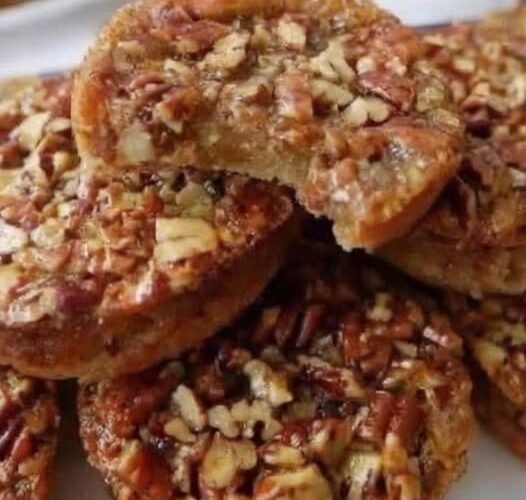
Pecan Sandies are buttery cookies with a delicate, sandy crumb and plenty of toasted pecan flavor. This version uses finely chopped nuts in the dough and extra pecans pressed over the tops for a rustic finish.
The dough comes together with a short ingredient list. Chill it before shaping, bake until the edges turn golden, and let the cookies cool on the tray before moving them. They become more delicate and crisp as they cool.
Yield: about 24 cookies
Prep: 20 minutes
Chill: 1 hour
Bake: 15–18 minutes per batch
Oven: 350°F (175°C)
Ingredients
- 1 cup (226 g) unsalted butter, softened
- 2/3 cup (80 g) powdered sugar
- 2 teaspoons vanilla extract
- 2 cups (250 g) all-purpose flour
- 1/2 teaspoon fine salt
- 1 cup finely chopped pecans, toasted and cooled
- 1/2 cup chopped pecans, for topping
What Makes a Good Pecan Sandie?
Butter provides the rich flavor and short texture, while powdered sugar blends smoothly into the dough. Chopped pecans interrupt the crumb just enough to give each bite a gentle crunch. There is no egg in this dough, so it will feel firmer and more crumbly than a typical drop cookie.
Use softened butter that is pliable without being greasy. Weigh the flour if you can; too much makes the dough difficult to shape and the cookies dry. Toast the nuts briefly at 350°F for 5–7 minutes, checking often, then cool completely before adding them.
How to Make Pecan Sandies
1. Cream butter and sugar
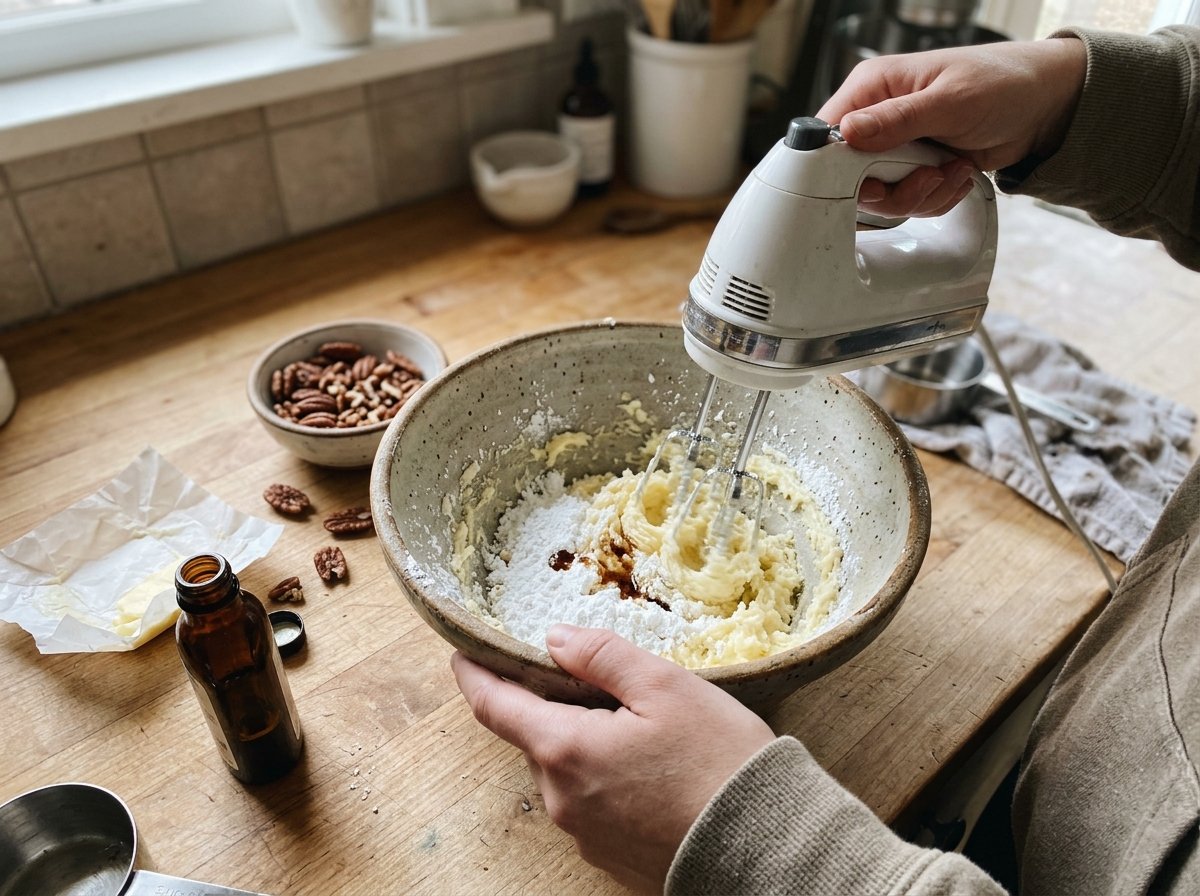
Beat softened butter and powdered sugar on medium speed for about 2 minutes until creamy and smooth. Scrape down the bowl and beat in vanilla. Avoid whipping in excessive air.
2. Mix the pecan dough
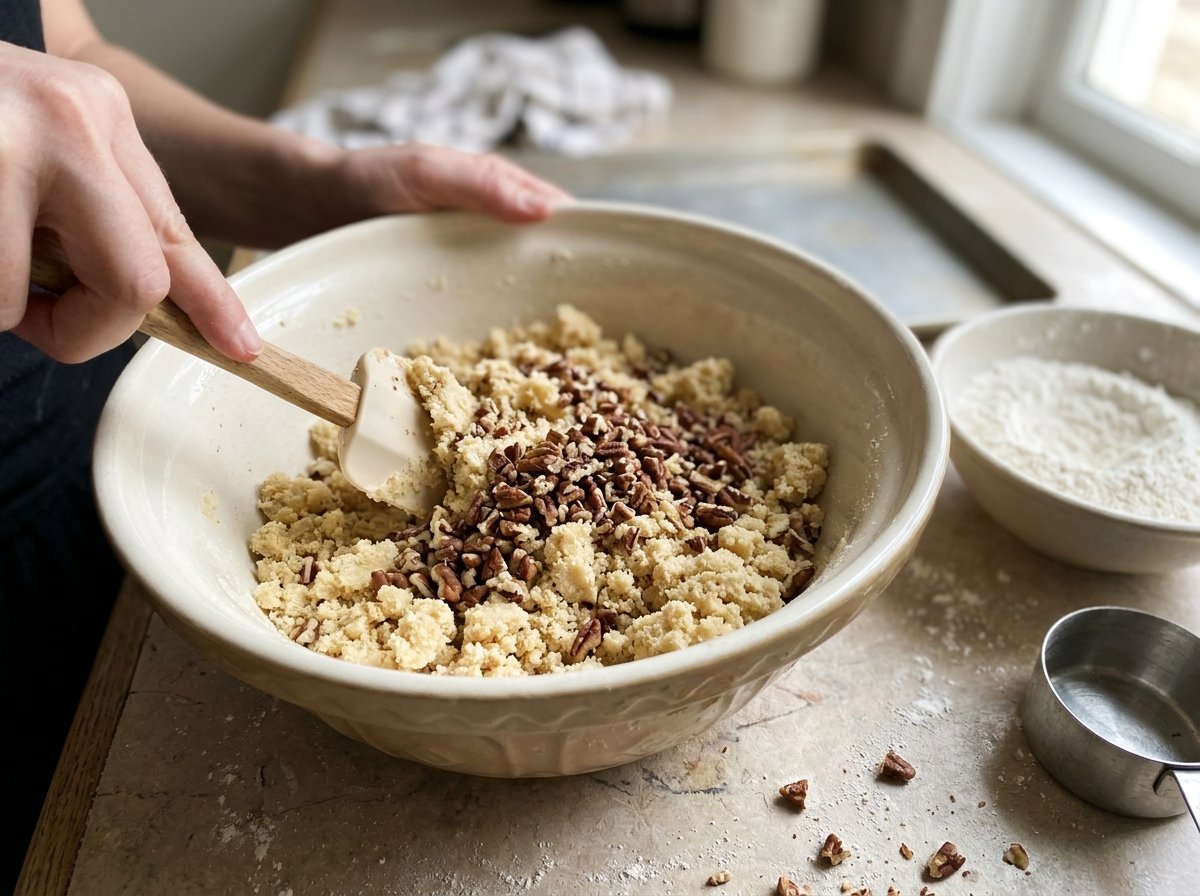
Whisk flour and salt together. Mix into the butter on low speed just until incorporated, then fold in 1 cup finely chopped toasted, cooled pecans. Press a small portion to check it holds together.
3. Chill the dough
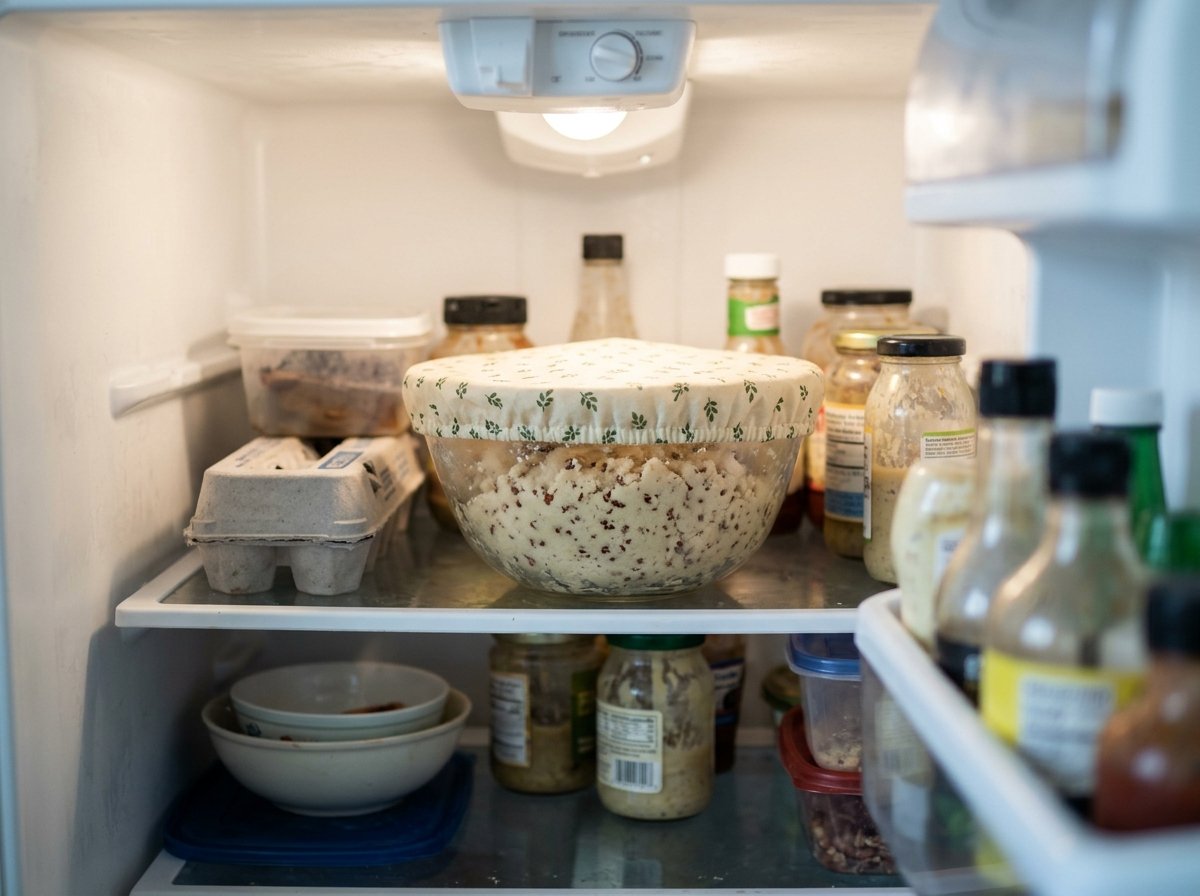
Cover the bowl and refrigerate for 1 hour. The dough should be firm but scoopable. Let very cold dough stand briefly if it is difficult to shape.
4. Shape and top
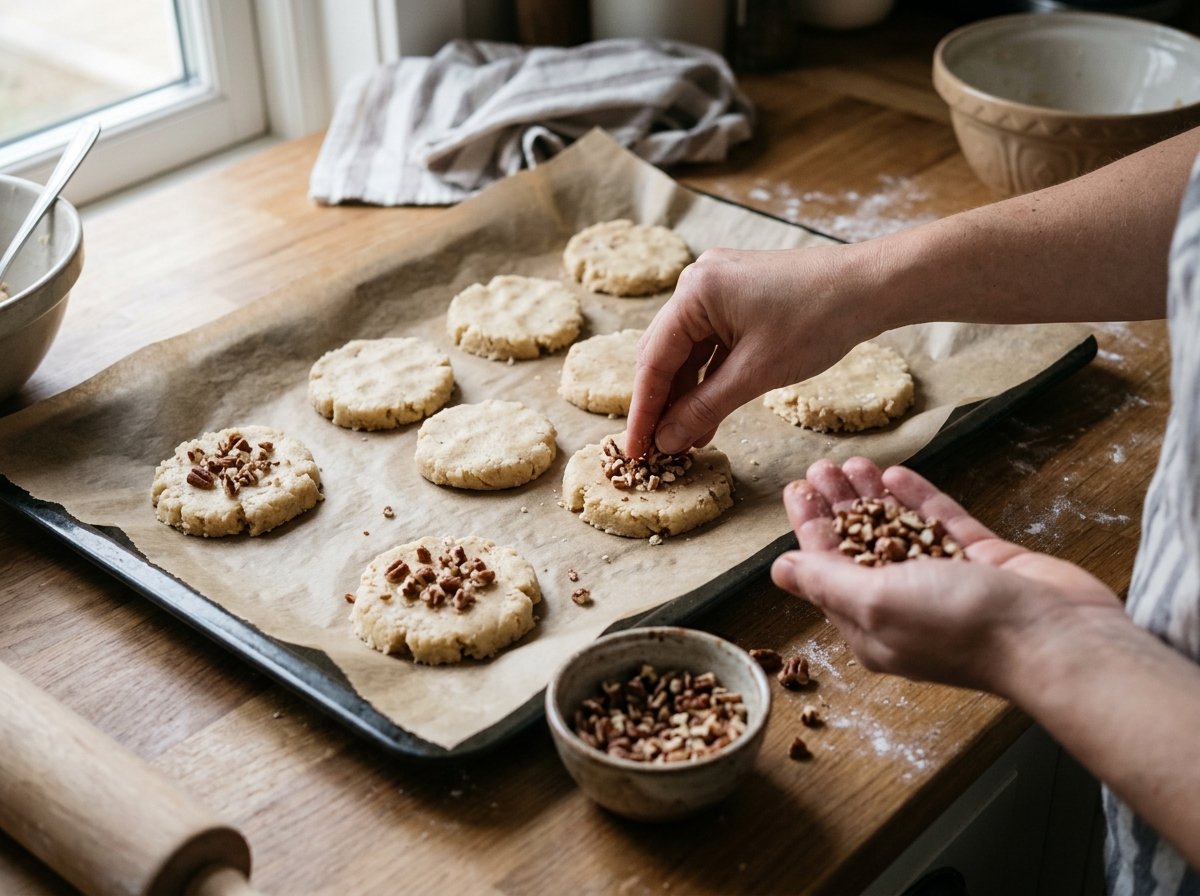
Heat oven to 350°F and line sheets with parchment. Scoop rounded tablespoon portions, roll gently, and flatten to disks about 1/2 inch thick. Space 2 inches apart and press extra chopped pecans into the tops.
5. Bake until lightly golden
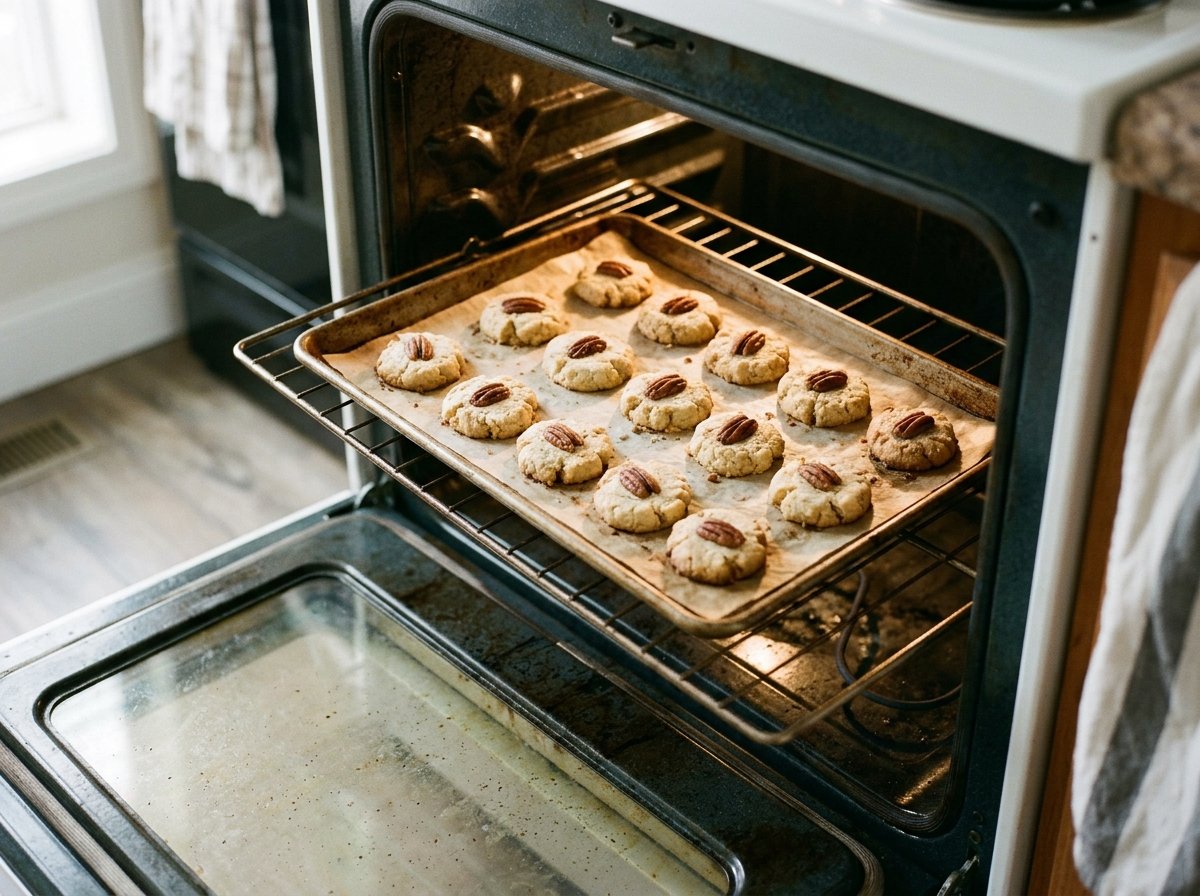
Bake for 15–18 minutes until edges and bottoms are lightly golden and tops look dry. Check early if using a dark pan.
6. Cool before storing
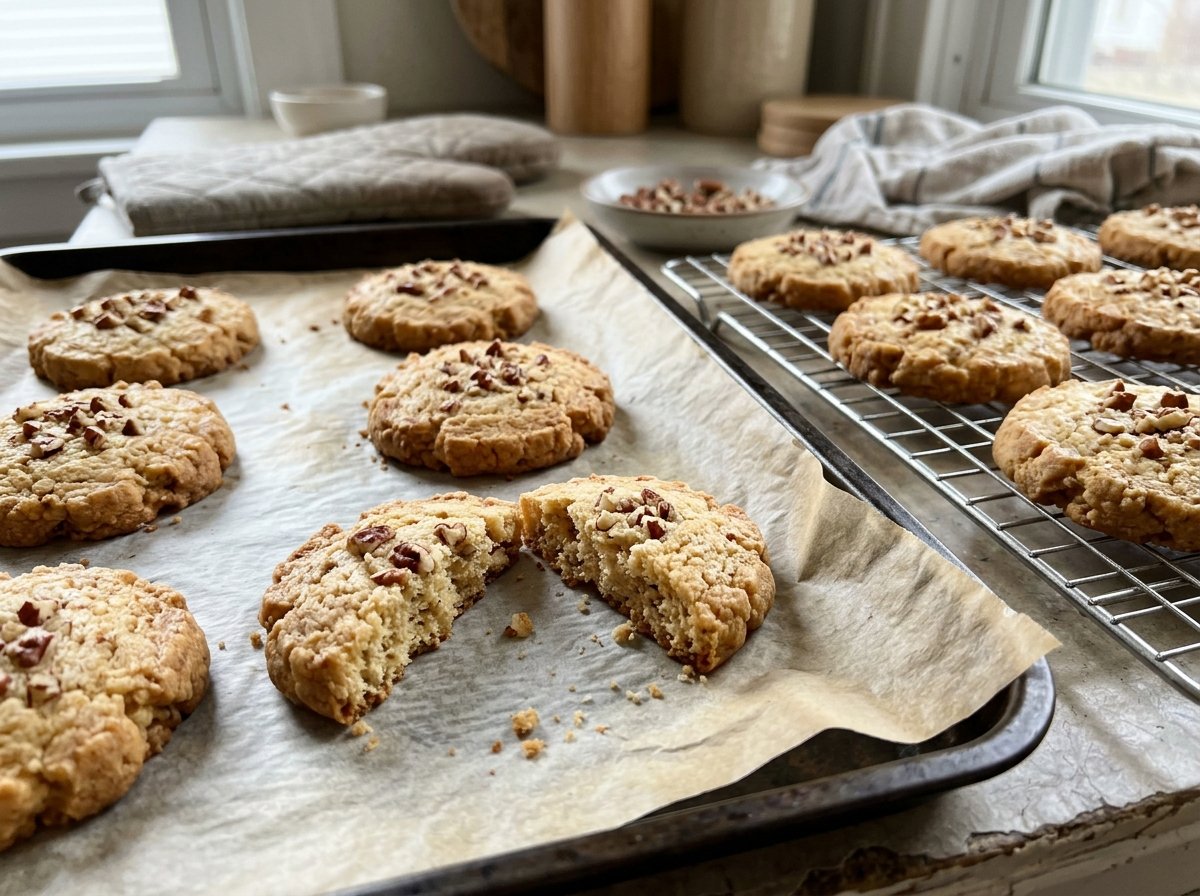
Leave the cookies on the sheet for 10 minutes, then transfer carefully to a wire rack. Cool completely before stacking or storing; warm sandies are fragile.
Helpful Baking Tips
- Chop the nuts fairly small so the dough holds together.
- Let cold dough stand briefly if it is too firm to scoop.
- Use a cool baking sheet for each batch.
- Check the bottoms as well as the tops for doneness.
- Handle warm cookies carefully; they are fragile before cooling.
Variations
A pinch of cinnamon gives the cookies a warm spice note. For a different finish, leave off the extra nuts and roll the cooled cookies in powdered sugar. A little orange zest also works well with pecans and vanilla.
Walnuts can replace pecans, although their flavor is stronger. Avoid adding large amounts of wet ingredients, which would change the crisp, short texture that makes sandies distinctive.
Serving and Gifting
Serve with coffee, tea, or a small bowl of vanilla ice cream. Their rich flavor works well on a mixed cookie tray beside chocolate cookies or something fruity. Pack them in a shallow tin with parchment between layers so the pecan tops do not break off.
Make-Ahead and Storage
Refrigerate the dough, covered, for up to 2 days. Let it soften just enough to shape before baking. You can also freeze shaped dough disks for up to 2 months and bake from frozen, allowing a few extra minutes.
Keep baked cookies airtight at room temperature for up to 1 week. Freeze fully cooled cookies for up to 2 months, separating layers with parchment. Thaw in the closed container to help prevent surface condensation.
Frequently Asked Questions
Why is my dough crumbly?
This is a short dough, so it can look crumbly before pressed together. Excess flour or very cold butter can make that worse. Measure carefully and press a piece to check whether it holds.
Why did the cookies spread?
The butter may have been too warm or the dough insufficiently chilled. Chill the remaining dough and use a cool pan.
Do I need baking powder?
No. These cookies rely on their buttery shortbread-style texture rather than a strong rise.