World’s Deadliest Food – The Famous Delicacy That Can Turn Dangerous Fast
There are foods that feel daring because they’re spicy, weird, or “only locals eat it.” And then there’s the rare category that’s infamous for a very different reason: it can actually kill you if it’s prepared wrong.
That’s why “world’s deadliest food” stories travel so fast — they sound like a dare, a legend, or an internet myth. But in real life, the danger usually comes down to one thing: natural toxins that require careful handling, proper processing, or strict professional training to make the food safe.
Let’s talk about what people usually mean when they say “the world’s deadliest food,” why it can be risky, and what the real safety takeaway is.
What People Mean by “World’s Deadliest Food”
There isn’t one official single “deadliest food,” but a few foods are widely known for having natural toxins. The most commonly referenced examples are:
1) Fugu (Pufferfish)
Pufferfish can contain tetrodotoxin, a potent neurotoxin. Because of the risk, it’s famously associated with licensed, trained preparation in places where it’s legally served.
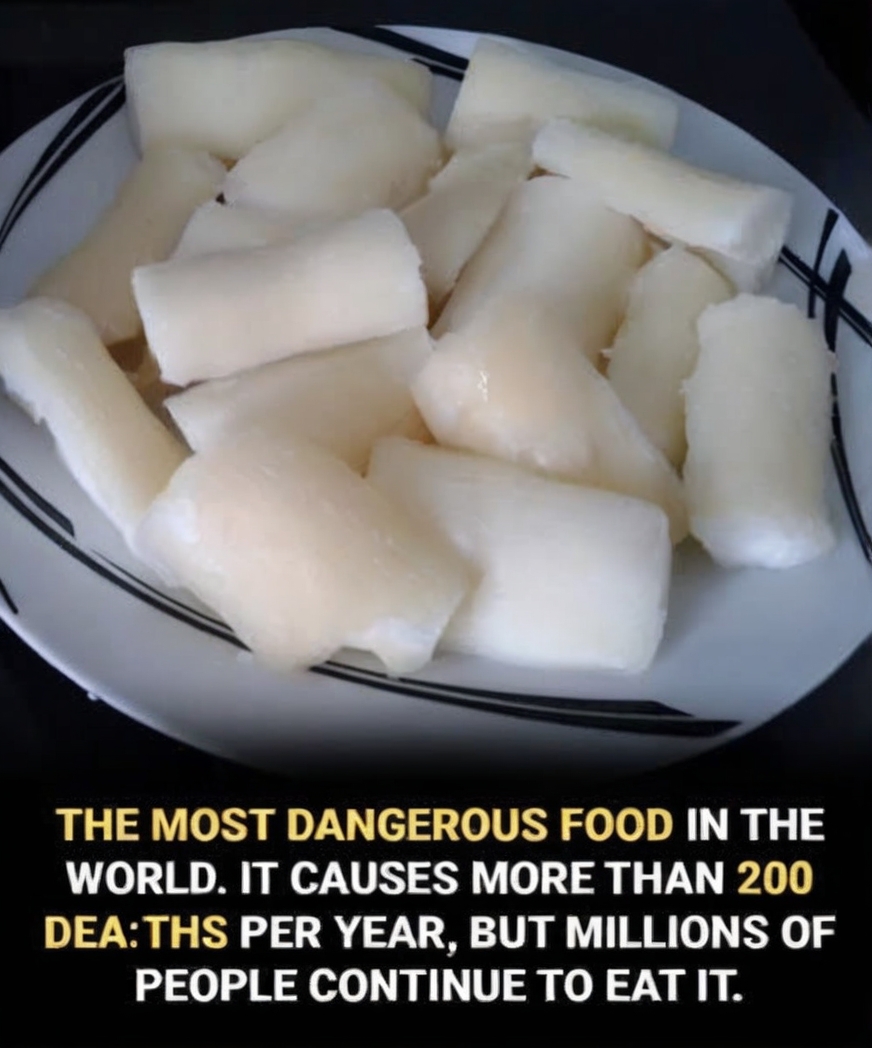
2) Cassava (Manioc / Yuca) – When Improperly Processed
Cassava is a staple food for millions, but certain types contain cyanogenic compounds that must be reduced through proper processing. When preparation is unsafe or shortcuts happen, it can cause serious poisoning.
3) Ackee (Unripe Ackee Fruit)
Unripe ackee contains toxins that can cause severe illness. It’s safe when properly ripened and handled, but it’s risky when eaten unripe.
4) Certain Wild Mushrooms
Some wild mushrooms can be lethal and are easily mistaken for edible varieties. Foraging mistakes are a recurring cause of poisoning worldwide.
5) Bitter Almonds and Stone Fruit Pits (In Large Amounts)
These can contain compounds that release cyanide. Normal culinary use is usually controlled, but concentrated or excessive consumption can be dangerous.
Key point: these foods are not “evil” — they’re dangerous mainly when misidentified, unripe, under-processed, or prepared by untrained people.
Why These Foods Can Be Dangerous
A few recurring reasons show up across “deadly food” cases:
-
Natural toxins that aren’t destroyed by normal cooking
-
Misidentification (especially mushrooms)
-
Improper processing due to time pressure or lack of knowledge
-
Unregulated preparation (street food or DIY experiments)
-
Children being more vulnerable due to smaller body size
Common Symptoms of Food Poisoning That Need Urgent Care
If someone becomes seriously ill after eating something suspicious (especially wild mushrooms or unknown foods), don’t “wait it out.”
Seek urgent medical care for:
-
trouble breathing, weakness, confusion
-
seizures
-
severe vomiting/diarrhea, dehydration
-
severe abdominal pain
-
fainting, severe dizziness
-
symptoms that worsen rapidly
If you suspect mushroom poisoning, treat it as an emergency.
Safe Takeaways (Without the Hype)
If you want to explore adventurous foods safely:
-
Don’t DIY “danger foods.” Some toxins are lethal in tiny doses.
-
Don’t forage unless you’re trained. Photos and apps are not reliable.
-
Eat high-risk specialty foods only from reputable, properly regulated sources.
-
When traveling: be cautious with unregulated “challenge” foods.
The goal isn’t fear — it’s respect for the fact that nature can produce powerful toxins, and proper food safety matters.
FAQ – World’s Deadliest Food
What is considered the world’s deadliest food?
People most often mean fugu (pufferfish) or improperly processed cassava, but “deadliest” depends on context, exposure, and preparation.
Is fugu illegal?
It depends on the country and local regulations. Where it’s legally served, it’s typically controlled and prepared by trained professionals.
Can cooking make toxic foods safe?
Sometimes, but not always. Some toxins are heat-stable, and safety depends on correct identification and processing, not just cooking.
Are wild mushrooms really that risky?
Yes. Some lethal mushrooms look similar to edible ones, and mistakes can be fatal.