
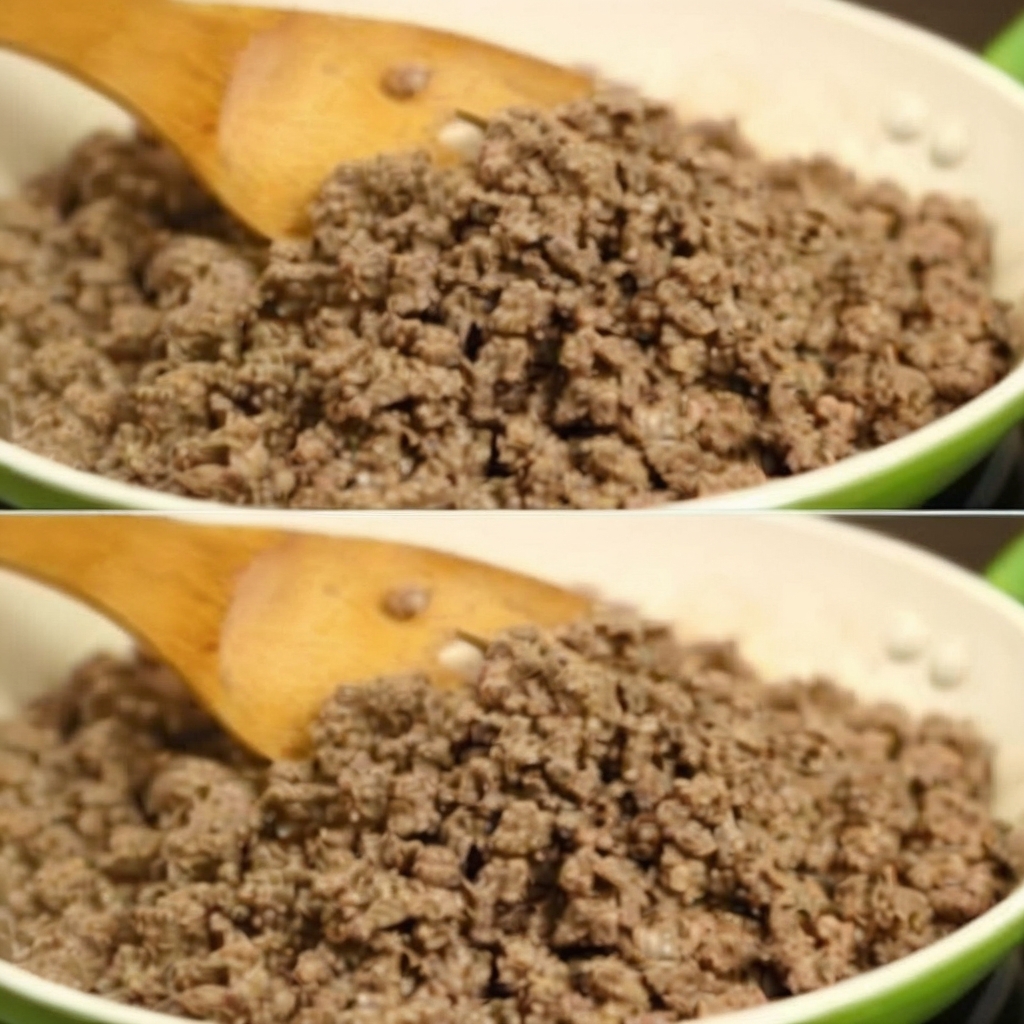
There are some kitchen habits that feel so natural we never think to question them until we see someone else do the opposite. Rinsing ground beef is exactly one of those topics. It is a practice often passed down through generations, usually with the best intentions of “cleaning” the meat or reducing fat.
This matters because what feels like a safety measure might actually be doing more harm than good in your kitchen. Whether you are prepping for a weeknight taco night or a big family cookout, understanding the science behind this habit can save you a lot of cleanup and keep your meals much safer.
It is one of those simple shifts in technique that makes a massive difference—not just in the flavor of your burger, but in the health of your home.
The Consensus
-
Food Safety: Leading health organizations, including the USDA, strongly advise against rinsing raw meat because it spreads bacteria around your sink and counters.
-
Texture: Introducing water to ground beef prevents it from browning properly, leading to “steamed” meat rather than a savory, caramelized sear.
-
Flavor: Rinsing washed away the fat and juices that carry the majority of the beef’s natural flavor.
-
Bacteria Myth: Rinsing does not actually remove or kill bacteria; only cooking the meat to the proper internal temperature can do that.
The Risks of Rinsing
-
Cross-Contamination: When water hits raw ground beef, it creates a fine mist of bacteria-laden droplets that can travel up to three feet away.
-
Soggy Results: Ground beef is porous; it absorbs the water, making it nearly impossible to get that crispy, brown texture in the skillet.
-
Loss of Nutrients: You can actually wash away some of the water-soluble vitamins and proteins during the rinsing process.
-
False Security: Rinsing might make the meat “look” cleaner, but it leaves behind the invisible pathogens that cause foodborne illness.
How to Properly Prep Ground Beef
-
Skip the Sink: Take the meat directly from the package to the pan or mixing bowl.
-
Pat Dry: If the meat looks particularly wet from its own juices, use a paper towel to pat the surface dry before cooking.
-
Heat the Pan: Ensure your skillet is hot before adding the beef to encourage immediate browning.
-
Drain Post-Cooking: If you are worried about fat content, cook the beef fully and then drain the excess grease into a jar or over a colander.
-
Clean Up: Immediately wash your hands and any surfaces or utensils that touched the raw meat with hot, soapy water.
Why the “No-Rinse” Rule Works
-
High heat (160°F for ground beef) is the only effective way to kill pathogens like E. coli or Salmonella.
-
Keeping the meat dry allows for the Maillard reaction, which is the chemical process that creates the delicious browned crust.
-
Avoiding the sink keeps your food preparation area sterile and prevents “invisible” spread of germs.
-
Draining fat after cooking is a much more effective way to reduce calories without sacrificing the quality of the meat.
Tips for Best Results
-
Always cook ground beef to an internal temperature of 160°F to ensure it is safe to eat.
-
Use a cast-iron skillet for the best sear if you are making crumbles for tacos or chili.
-
If you must reduce fat, buy a leaner blend (like 90/10) rather than trying to wash the fat out of an 80/20 blend.
-
Dispose of paper towels used to pat the meat dry immediately in a lined trash can.
Frequently Asked Questions
Does rinsing remove the fat? Rinsing raw meat is very inefficient at removing fat. The most effective way to lower fat is to drain the grease after the meat has been fully browned.
What if the meat feels “slimy”? If ground beef feels excessively slimy or has an off-smell, it has likely begun to spoil. Rinsing will not make spoiled meat safe to eat; it should be discarded.
Is it okay to rinse meat for a stew? No. Even for soups or stews, the risk of cross-contamination in your kitchen outweighs any perceived benefit of rinsing.
How do I clean my sink if I accidentally rinsed meat? Use a solution of one tablespoon of unscented, liquid chlorine bleach per gallon of water to sanitize the sink and surrounding countertops.
Choosing safety and flavor over old habits is a rare and beautiful victory in the kitchen. I hope this helps you feel more confident and keeps your family’s table both healthy and delicious.