
Portuguese Custard Tarts (Pastéis de Nata): The Authentic Shortcut to Lisbon’s Legend
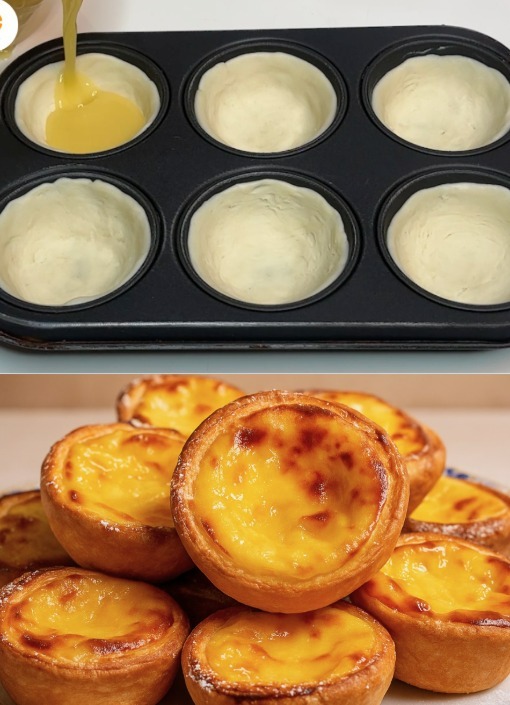
I pulled a tray of these Pastéis de Nata from the oven this afternoon, and the way the blistered, dark “leopard spots” sat atop the pale yellow custard was a beautiful sight. There is something legendary about this Portuguese tart—a rare victory for those who want the flaky, shattered-glass texture of professional puff pastry without the three-day labor of traditional folding.
This recipe matters because it uses a clever shortcut that preserves the soul of Lisbon’s most famous export. It is a quiet victory for anyone who craves that specific contrast between a salty, crisp shell and a silky, cinnamon-infused heart.
It isn’t an intimidating or temperamental process when you know the right tricks. It is an honest, brilliant method that focuses on high heat and a simplified dough-rolling technique. Whether you are hosting a refined tea or just want to transport your kitchen to the streets of Belém, these tarts bring a bit of effortless, sun-drenched warmth to the table.
Pastéis de Nata: The Authentic Shortcut
Ingredients
-
The Shell:
-
1 package (approx. 14 oz) high-quality, all-butter puff pastry (thawed but cold)
-
1 tsp ground cinnamon (for dusting the dough)
-
-
The Custard (The Filling):
-
1 cup whole milk (divided)
-
3 tbsp cornstarch
-
1 cup granulated sugar
-
1/2 cup water
-
1 cinnamon stick
-
2 strips of lemon peel (yellow part only)
-
1 tsp vanilla extract
-
6 large egg yolks
-
Instructions
1) Prepare the “Shortcut” Shells Unroll the puff pastry and dust it lightly with ground cinnamon. Roll the pastry back up into a tight log. Slice the log into 12 equal rounds. Place each round into a greased muffin tin (flat side down) and use your thumbs to press the dough up the sides until it reaches the rim. Chill the tin while you make the filling.
2) The Infused Syrup In a small saucepan, bring the water, sugar, cinnamon stick, and lemon peel to a boil. Let it simmer for about 3 minutes until a light syrup forms, then remove it from the heat.
3) Thicken the Base In a separate bowl, whisk 1/4 cup of the milk with the cornstarch until smooth. In another saucepan, bring the remaining 3/4 cup of milk to a scald (just before boiling). Slowly whisk the cold cornstarch mixture into the hot milk and cook over medium heat until it thickens into a light paste.
4) Temper and Combine Slowly pour the warm sugar syrup (minus the cinnamon and lemon) into the thickened milk, whisking constantly. Finally, whisk in the egg yolks and vanilla until the custard is a bright, glossy yellow. Strain through a fine-mesh sieve for ultimate silkiness.
5) Fill and Blister Preheat your oven to its highest setting (usually 500°F–550°F / 260°C–290°C). Pour the custard into the chilled pastry shells, filling them about 3/4 of the way.
6) The High-Heat Bake Bake for 10 to 12 minutes. You are looking for the pastry to be deeply golden and the custard to have those signature dark brown charred spots on top.
7) Cool and Serve Let them cool in the tin for 5 minutes before moving to a wire rack. They are best served warm, with an extra dusting of cinnamon and powdered sugar.
Why This Recipe Works
-
Rolling the puff pastry with cinnamon creates those beautiful concentric circles in the base, mimicking the traditional handmade dough.
-
The lemon and cinnamon-infused syrup provides that distinct Mediterranean “bright” sweetness that sets it apart from French custards.
-
The extremely high baking temperature is what creates the “shattered” texture of the crust and the iconic charred spots on the custard.
-
Straining the custard ensures there are no bits of cooked egg, resulting in a professional, velvety mouthfeel.
Tips for Best Results
-
Keep it Cold: Ensure your puff pastry is very cold when it goes into the oven; the shock of the high heat is what creates the steam for those flaky layers.
-
Don’t Overfill: If you fill the shells to the brim, the custard will boil over and stick to your pan.
-
The Oven Light: Watch them closely in the final 2 minutes; they go from “perfectly charred” to “burnt” very quickly at 500°F.
-
Use All-Butter Pastry: If the pastry uses oil instead of butter, it will be greasy rather than crisp.
Variations & Substitutions
-
Chocolate Twist: Place a single dark chocolate chip in the bottom of each pastry shell before adding the custard.
-
Orange Zest: Swap the lemon peel for orange peel for a warmer, more floral citrus note.
-
Vanilla Bean: Use a real vanilla bean scraped into the milk instead of extract for a more gourmet presentation.
-
Mini Tarts: Use a mini-muffin tin for “bite-sized” versions (reduce baking time to 7–9 minutes).
FAQ – Pastéis de Nata
How should I store these? They are best eaten the day they are made to preserve the crunch. If you have leftovers, store them in the fridge for up to two days and reheat in a 350°F oven for 5 minutes.
Can I use store-bought custard? No. The texture of this specific Portuguese custard is unique because of the sugar syrup base; store-bought puddings will break down and become watery at high heat.
Why is my pastry soggy? This usually means the oven wasn’t hot enough. Make sure your oven is fully preheated for at least 20 minutes before baking.
Can I use whole eggs? Using only yolks is the secret to that rich, deep yellow color and the creamy “set” of the tart. Whole eggs will make the filling more like an omelet.
There is a simple, rustic joy in a pastry that sounds so fancy but feels so at home in your own kitchen. I hope these golden tarts bring a bit of Lisbon’s legendary sweetness to your table today.
I really liked how this piece was presented. Your site has become a regular stop for me.