
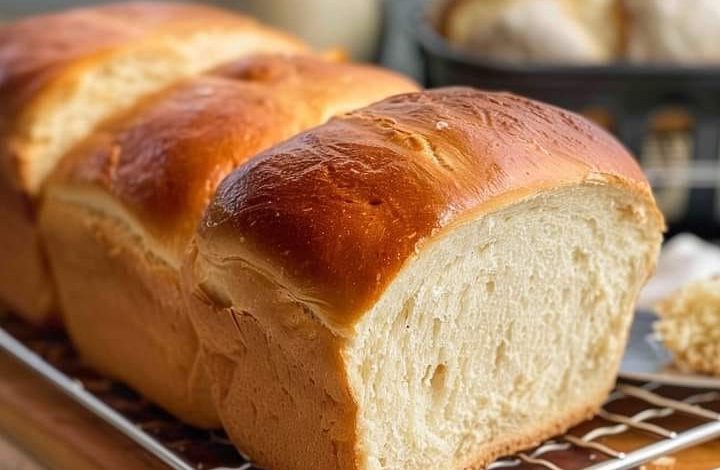
There is a specific kind of peace that settles over a home when the scent of yeast and sugar begins to drift from the oven. This Amish white bread reminds me of slow mornings in a sun-drenched kitchen, where the simplest act of kneading dough felt like a quiet celebration of heritage.
This recipe matters because it strips away the complexity of artisanal baking, returning to a time when bread was a daily, nourishing staple. It is a time-saving favorite for home bakers because it yields a soft, pillowy crumb and a golden crust with very few ingredients.
Whether you are slicing it warm for a thick layer of butter or using it to make the perfect sandwich, this bread is pure nostalgia. It provides a reliable, consistent result that will make you wonder why you ever settled for a store-bought loaf.
Ingredients
2 cups Warm Water (between 105°F and 115°C)
2/3 cup Granulated Sugar (honey can be used as a natural alternative)
1 1/2 tablespoons Active Dry Yeast (ensure it is fresh for the best rise)
1 1/2 teaspoons Salt
1/4 cup Vegetable Oil (or melted unsalted butter for a richer flavor)
6 cups All-Purpose Flour (bread flour can be used for a chewier texture)
Instructions
Dissolve the sugar in the warm water in a large bowl, then stir in the yeast.
Allow the yeast to sit for about 5 to 10 minutes until it becomes frothy and bubbly.
Stir the salt and vegetable oil into the yeast mixture until well combined.
Add the flour one cup at a time, mixing thoroughly after each addition until a dough forms.
Knead the dough on a lightly floured surface for 8 to 10 minutes until it is smooth and elastic.
Place the dough in a well-oiled bowl, cover with a damp cloth, and let rise in a warm place for 1 hour.
Punch the dough down and divide it into two equal portions.
Shape into loaves and place them into two greased 9×5-inch loaf pans.
Let the loaves rise for another 30 minutes until the dough has risen about 1 inch above the pans.
Bake at 350°F (175°C) for 30 minutes or until the tops are a deep golden brown.
Why This Recipe Works
The Sugar Content: The relatively high amount of sugar feeds the yeast vigorously, creating an incredibly light and airy internal structure.
Oil for Softness: Using vegetable oil instead of just water ensures the bread stays soft and moist for days rather than drying out.
Double Rise: The two-stage rising process allows the gluten to develop fully, resulting in that classic, high-domed loaf seen in image_2bb6d0.jpg.
Tips for Best Results
Check Water Temperature: If the water is too hot, it will kill the yeast; if it is too cold, the bread will not rise properly.
Avoid Over-Flouring: Add just enough flour so the dough doesn’t stick to your hands; too much flour will make the loaf dense and heavy.
Butter the Crust: Rub a stick of butter over the tops of the loaves immediately after taking them out of the oven for a soft, flavorful crust.
Variations & Substitutions
Cinnamon Sugar: Roll the dough out flat, sprinkle with cinnamon sugar, and roll it back up before the second rise for a breakfast treat.
Whole Wheat: Replace up to 3 cups of the white flour with whole wheat flour for a nuttier, heartier version of the loaf.
Honey Wheat: Use 1/2 cup of honey in place of the granulated sugar to add a floral sweetness and a deeper golden color.
Frequently Asked Questions
How should I store this bread?
Keep the loaves in an airtight bag at room temperature for up to 4 days. For longer storage, this bread freezes beautifully for up to 3 months when wrapped tightly.
Can I make the dough ahead of time?
Yes, you can perform the first rise in the refrigerator overnight. This slow fermentation actually develops a more complex flavor in the final loaf.
What can I use instead of vegetable oil?
Melted butter is a fantastic substitute that adds a creamy, dairy-rich flavor to the bread, though the texture may be slightly less soft.
Why didn’t my bread rise?
This is usually caused by expired yeast or water that was too hot. Always check that your yeast is frothy before adding the rest of your ingredients.
There is no better feeling than pulling a perfect, golden loaf of Amish white bread out of your own oven. It is a reminder that the best things in life are often the ones we make with our own two hands. I hope this recipe brings a sense of warmth and accomplishment to your kitchen this week.